


Table of Contents
ToggleNavigating the world of toddlers and preschoolers can feel like trying to solve a Rubik’s Cube blindfolded. Between their boundless energy and unpredictable moods, it’s no wonder parents and caregivers often find themselves scratching their heads. With so much advice floating around, how can anyone know what’s truly correct about these tiny tornadoes?
Overview of Toddler and Preschool Development
Toddler and preschool development encompasses several crucial stages from ages 1 to 5. Cognitive skills progress significantly during this period, with toddlers achieving new milestones every few months. Language acquisition accelerates rapidly, as children begin to form simple sentences and expand their vocabulary.
Emotional development becomes more evident, too. Toddlers exhibit newfound independence while often experiencing mood swings and temper tantrums. During preschool years, social skills emerge; children learn to share, take turns, and interact with peers.
Physical development also plays an essential role. Gross motor skills, including running and jumping, become more refined. Fine motor skills improve through activities like drawing or playing with small objects, which enhance hand-eye coordination.
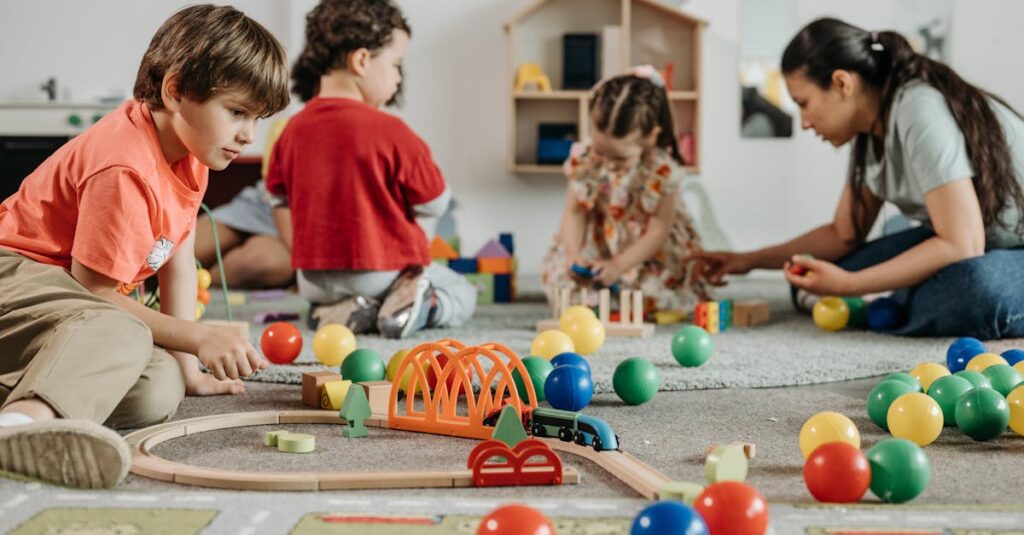
Playtime serves as an important learning tool. Both toddlers and preschoolers learn through play, which encourages creativity and problem-solving. Structured activities promote teamwork and communication, fostering a sense of community among children.
Parenting toddlers and preschoolers involves navigating various developmental challenges. Strategies that include patience and understanding support children during these transformative years. Regular interactions with caregivers and peers strengthen these developmental areas.
Research shows that consistent routines contribute positively to a child’s sense of security and predictability. Engaging toddlers and preschoolers in playful learning environments enhances their cognitive and emotional well-being. Prioritizing these development stages ensures that children thrive as they prepare for school and social experiences ahead.
Cognitive Development
Cognitive development in toddlers and preschoolers involves notable advancements in thinking and learning. Understanding how these young children progress provides clarity for parents and caregivers.
Milestones of Cognitive Growth
Cognitive growth milestones play a crucial role in early childhood development. By 2 years old, children typically recognize familiar objects and people, showing early memory skills. At 3 years, they begin to engage in imaginative play, indicating growth in creativity and problem-solving abilities. By 4 years, many children can follow simple instructions, showcasing improvements in attention span and understanding. At 5 years, they exhibit increased curiosity and can answer basic questions about their surroundings. Tracking these milestones helps identify advancements in children’s cognitive abilities.
Importance of Play in Learning
Play serves as an essential mechanism for learning during early childhood. Through play, toddlers and preschoolers develop critical thinking skills and improve their social interactions with peers. Engaging in pretend play encourages imagination and creativity, which are vital components of cognitive growth. Additionally, group activities promote cooperation and communication, fostering emotional intelligence. Structured playtime provides opportunities for challenges that stimulate cognitive development. Encouraging playful learning experiences contributes significantly to the overall growth of a child’s cognitive abilities.
Emotional Development
Emotional development in toddlers and preschoolers plays a crucial role in their overall growth. Children experience and express a wide range of emotions during these formative years.
Understanding Emotions
Toddlers begin to identify and express feelings like happiness, sadness, and frustration around age 2. Emotional recognition expands as children approach preschool age, often leading to more complex emotional experiences. They might struggle with articulating emotions but display them through actions. When faced with disappointment, temper tantrums commonly occur. Consistent support from caregivers helps children navigate these feelings and builds the foundation for emotional regulation.
Social Interactions
Social interactions become increasingly important as children develop connections with peers. By age 3, toddlers engage in parallel play, remaining close to others but still playing independently. As preschoolers, they transition to cooperative play, where sharing and teamwork emerge. Friendships often take shape, leading to emotional ties that help children understand empathy and social norms. Navigating conflicts with peers is common, providing opportunities for learning important social skills. Supportive environments enhance these interactions, fostering positive relationship-building and emotional growth.
Physical Development
Physical development in toddlers and preschoolers encompasses vital growth in both gross and fine motor skills, significantly affecting their overall physical capabilities.
Gross and Fine Motor Skills
Gross motor skills involve large muscle movements, essential for activities like running and jumping. By age 2, many toddlers can walk confidently and begin to climb. Preschoolers demonstrate refinement in these skills, engaging in activities like hopping or riding tricycles. Fine motor skills focus on smaller movements, including gripping and manipulating objects. Children aged 3 often start using utensils and drawing simple shapes. As they grow, they’ll complete puzzles and use scissors. Engaging in activities that combine both types of skills during playtime fosters physical competence and confidence.
Health and Nutrition
Health and nutrition play a crucial role in supporting physical development. Balanced diets provide essential nutrients for growing bodies, influencing energy levels and concentration. A toddler’s daily intake should include fruits, vegetables, whole grains, and proteins. By preschool age, children can develop healthy eating habits that sustain their growth. Proper hydration is also important; young children should drink water throughout the day. Regular physical activity supports healthy weight management and strengthens muscles. Active play, whether it’s outdoor games or structured physical education, contributes to overall health and development in young children.
Common Misconceptions
Many misconceptions surround toddlers and preschoolers, often leading to confusion for parents. Understanding these beliefs helps clarify the developmental journey of young children.
Clarifying Popular Beliefs
Some people think toddlers and preschoolers can quickly master skills. In reality, skill acquisition takes time and varies by child. Another common belief suggests that all children develop at the same pace. Developmental milestones are guides, but individual differences exist. Many assume preschoolers possess advanced reasoning skills, when in fact, they’re still forming basic problem-solving techniques. Emotional regulation also takes years of practice, not instantaneous mastery. Assumptions about sharing can mislead caregivers; many children do not grasp sharing concepts until later. Recognizing these nuances supports more effective parenting strategies.
Evidence-Based Insights
Research confirms that toddlers develop critical skills over specific timeframes. By age 2, children typically recognize familiar objects, though this varies. Cognitive growth accelerates around age 3, with imaginative play becoming prevalent. Following simple instructions often emerges around age 4, showcasing growing understanding. Curiosity peaks at age 5, as children ask questions about their environment. Emotional recognition also evolves with age; emotional expression becomes more complex as children transition to preschool. Social development occurs in stages; children engage in parallel play by age 3 and begin cooperative play as preschoolers. This progression enhances their overall social skills and emotional growth.
Navigating the developmental journey of toddlers and preschoolers is both challenging and rewarding. Parents and caregivers must recognize that each child progresses at their own pace. Understanding key milestones in cognitive, emotional, and physical development can empower them to provide the right support.
Emphasizing play as a vital learning tool fosters creativity and social skills. By creating engaging environments and maintaining consistent routines, caregivers can enhance their children’s growth. Ultimately, patience and understanding are crucial in helping young children thrive during these formative years.