


As winter rolls in and the temperatures dip, it’s the perfect time to explore the intriguing realm of hibernation with preschoolers. Who knew that while bears and other animals are snoozing away, kids can be creating, crafting, and having a blast? From building cozy bear dens to making masks of hibernating animals, these crafts not only entertain but also educate little ones about nature’s winter wonders. So grab your scissors, glue sticks, and a warm cup of cocoa because it’s time for some fun-filled hibernation activities.
Understanding Hibernation
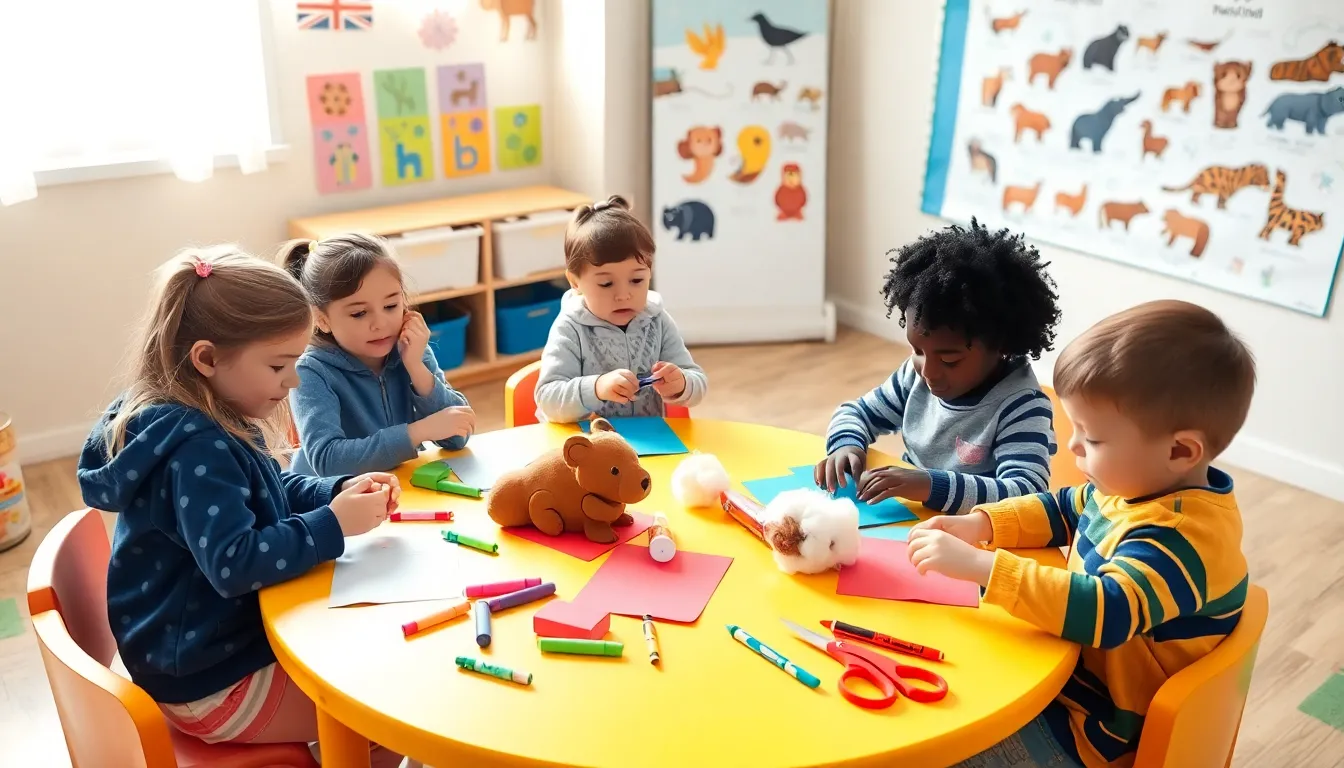
Hibernation is a remarkable survival strategy that some animals use to get through the cold months when food is scarce. During hibernation, animals lower their heart rates, reduce body temperatures and ‘sleep’ for long periods. This allows them to conserve energy and survive when conditions are less than favorable.
For preschoolers, understanding hibernation can be an eye-opening experience. When children learn about why bears, squirrels, and other critters snooze through winter, they start to appreciate nature in a whole new way. Creating crafts around these concepts makes the lessons stick while adding an element of fun, as hands-on learning is always more impactful for young minds.
The Importance of Hibernation Education
Teaching preschoolers about hibernation goes beyond simply explaining what it is. It nurtures curiosity about wildlife, instills respect for animal habitats, and encourages empathy towards other living creatures. Understanding the cycle of nature enables children to grasp the bigger picture of life on Earth.
Also, engaging in hibernation-themed crafts deepens this education. Children are naturally more receptive when they can see, touch, and create something tangible. As they craft, they ask questions and make connections that enhance their understanding. It turns into a multi-dimensional experience, learning about animals, the seasons, and the environment, all in one go.
Creative Hibernation Craft Ideas
Crafting is a fantastic way to bring the concept of hibernation to life. Below are five delightful craft ideas that will spark creativity while reinforcing learning.
1. Bear Den Diorama
A bear den diorama allows preschoolers to construct miniature habitats. Using shoeboxes, construction paper, and crayons, children can create cozy dens. Encourage them to include cotton balls for snow or little felt bears to complete the scene.
2. Hibernating Animal Masks
Making hibernating animal masks can be incredibly fun. Provide templates of bears, turtles or groundhogs. Kids can decorate their masks using markers, glitter, and even yarn for whiskers. These masks can lead to imaginative play and storytelling about hibernation.
3. Snowy Scene Sensory Bin
A sensory bin filled with artificial snow can captivate young learners. Include small animal figurines, pinecones, and even small blankets to replicate the idea of hibernation. Allow children to explore the textures, ensuring a multi-sensory experience that brings learning to life.
4. Paper Plate Hibernation Creatures
Paper plates are versatile crafting materials. Have children turn plates into hibernating animals like bears or foxes by coloring, gluing on ears, or adding cotton ball tails. These creatures can even serve as puppets during playtime.
5. Nature Collage with Leaves and Twigs
Collecting leaves and twigs can turn into a great outdoor adventure. Once gathered, kids can create nature collages on large paper, gluing down their finds to reflect the winter environment where hibernating animals might rest. This craft emphasizes the connection between nature and learning.
Tips for Successful Craft Sessions
Craft sessions should be joyful and engaging. Here are some tips to ensure a seamless process:
Safety Considerations
Always prioritize safety during crafting. Use non-toxic supplies, monitor small items closely to prevent choking hazards, and ensure scissors are child-safe. It’s a good practice to assess materials beforehand to avoid any mishaps.
Engaging Parents in the Crafting Process
Inviting parents to participate can add an extra layer of enjoyment. Parents can help by gathering materials or guiding children through more complex steps. This collaboration not only reinforces the lesson but also establishes a meaningful connection between home and school.