


When it comes to nurturing a baby’s development, baby educational toys are like the secret sauce that can make a world of difference. Picture this: your little one, giggling with joy while discovering shapes, colors, and sounds. Who knew learning could be this much fun? In a world filled with distractions, choosing the right toys not only keeps babies entertained but also enhances their cognitive, social, and emotional growth. Let’s jump into why baby educational toys are essential for your child’s early development and how to choose the perfect ones.
The Importance of Baby Educational Toys
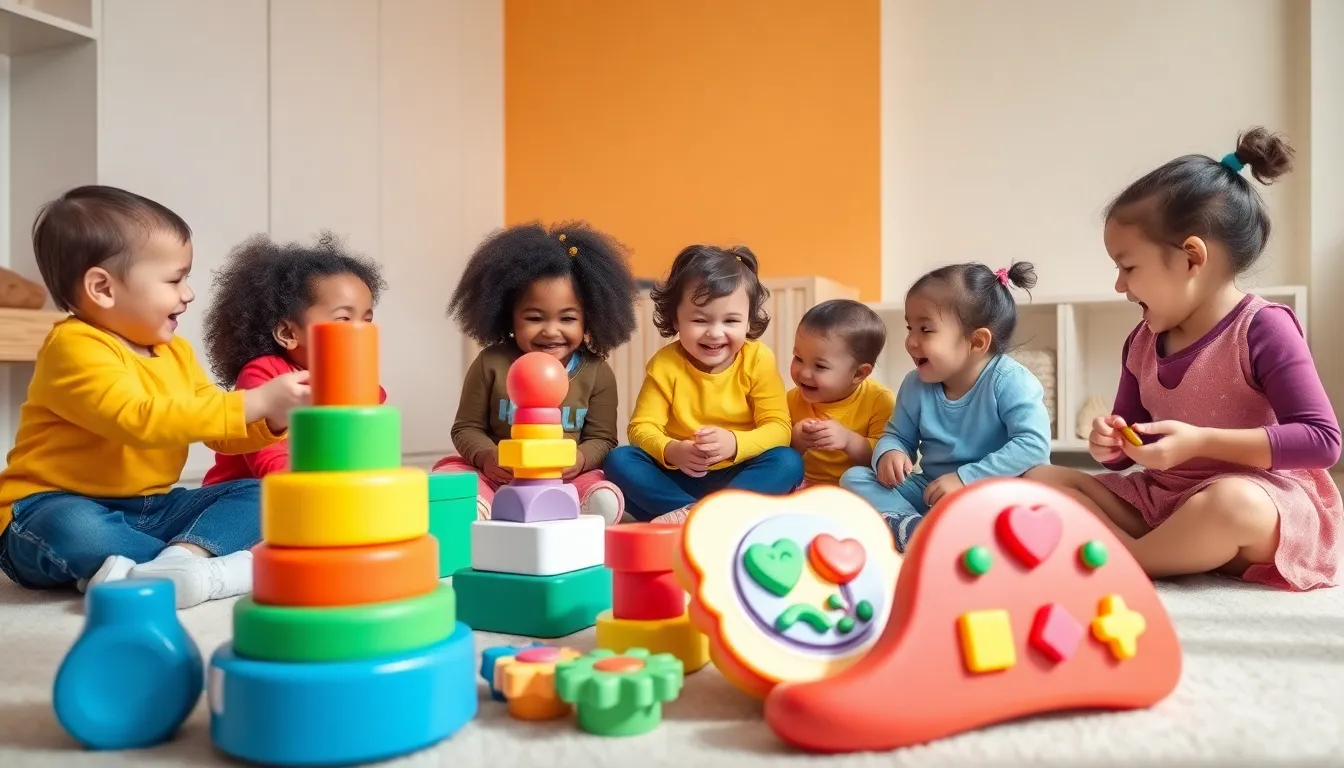
Educational toys serve as a foundation for a child’s lifelong love of learning. These toys are more than just colorful trinkets: they stimulate various senses, encouraging exploration and discovery. For infants and toddlers, interacting with these toys can pave the way for future skills. Research shows that engaging with educational toys promotes fine motor skills, cognitive abilities, and problem-solving skills. Also, these toys foster creativity by allowing children to think outside the box. Whether it’s stacking blocks or playing with musical instruments, each interaction is a tiny adventure in which babies learn about their world.
Plus, baby educational toys can encourage social interactions. When babies play with siblings or peers, they develop crucial social skills, including sharing and cooperation. This foundation creates an environment where teamwork and relationships thrive. So yes, while a rattle may be cute, it’s the educational toys that truly enhance a baby’s growth and learning experience.
Types of Educational Toys for Babies
There’s a dazzling array of educational toys on the market, each designed to cater to different stages of development. Here are a few popular types:
1. Sensory Toys
These toys stimulate the senses and can include textures, sounds, and colors. Think plush toys with varied textures or rattles that produce delightful sounds.
2. Building Blocks
A classic in the toy world, building blocks help babies develop motor skills and hand-eye coordination. They also encourage creativity as little ones stack and create.
3. Musical Instruments
From tiny tambourines to baby-friendly keyboards, musical instruments introduce rhythm and sound. They can also enhance auditory skills and inspire a love for music from an early age.
4. Puzzles
Simple puzzles with large pieces help develop problem-solving skills and spatial awareness. These toys challenge babies to think critically while having fun.
5. Shape Sorters
Shape sorters are perfect for teaching shapes and developing hand-eye coordination. Fitting a triangle into the right hole? That’s a baby win.
Key Benefits of Using Educational Toys
The advantages of incorporating educational toys into a baby’s playtime are manifold. Not only do they promote learning, but they also offer insight into child development.
Cognitive Development
Educational toys challenge babies mentally, paving the way for cognitive growth. Engaging with toys like puzzles and shape sorters encourages critical thinking and problem-solving.
Motor Skills
Many educational toys are designed to enhance fine and gross motor skills. Stacking blocks improves dexterity, while larger toys that require pushing or pulling contribute to overall movement and coordination.
Emotional and Social Skills
Playtime often involves interaction with others. Through shared activities, babies learn how to express feelings, share, and develop empathy, setting the stage for healthy relationships.
Creativity and Imagination
When babies engage in pretend play with educational toys, they exercise their imaginations. This creative play fosters innovative thinking, which is crucial in developing problem-solving skills later in life.
How to Choose the Right Educational Toys
Selecting educational toys might seem overwhelming, but it can be straightforward with a little guidance. Here are some tips:
1. Age Appropriateness
Always check the recommended age on toy packaging. Toys should match your baby’s developmental stage.
2. Safety Features
Prioritize safety. Look for toys that are non-toxic and free from small parts that could pose choking hazards.
3. Educational Value
Choose toys that promote various skills, cognitive, physical, or emotional. A good toy checks multiple boxes.
4. Durability
Babies tend to be a little rough with their toys. Opt for durable materials that can withstand the excitement.
5. Versatility
Select toys that can be used in different ways. Versatile toys grow with the child and provide extended play value.
Popular Brands and Recommendations
A few standout brands are often recommended when it comes to educational toys:
1. Fisher-Price
Known for its wide array of educational toys, Fisher-Price offers everything from soft toys to interactive gadgets that engage and stimulate.
2. Melissa & Doug
This brand is celebrated for its classic wooden toys. Their puzzles and shape sorters are favorites among parents looking for quality educational materials.
3. VTech
VTech focuses on electronic educational toys. They provide a range of options that are both fun and interactive, perfect for tech-savvy kids.
4. LeapFrog
Known for its engaging learning systems, LeapFrog creates educational tablets and interactive books that make learning entertaining.
Safety Considerations for Baby Toys
When it comes to baby toys, safety is always paramount. Always consider the following:
1. Choking Hazards
Avoid toys with small parts that could come loose and pose a choking risk. Stick to larger toys designed for your child’s age group.
2. Non-Toxic Materials
Ensure toys are made of non-toxic, BPA-free materials. Babies often explore the world through their mouths, so safety matters.
3. Durability Testing
Choose toys from reputable brands that meet safety standards. Ideally, the toys should endure rigorous testing for durability.