


In a world where screens reign supreme, choosing the right educational toys for 4-5 year olds can feel like searching for a needle in a haystack. But fear not. This isn’t just about buying shiny objects that beep and boop: we’re talking about toys that transform playtime into learning adventures. It’s like turning your living room into a mini classroom, minus the boring textbooks. This guide dives into why these toys are so important, the various types available, and how they can pave the way for your child’s future. So, buckle up as we explore the colorful realm of educational toys that promise both fun and growth.
Importance Of Educational Toys
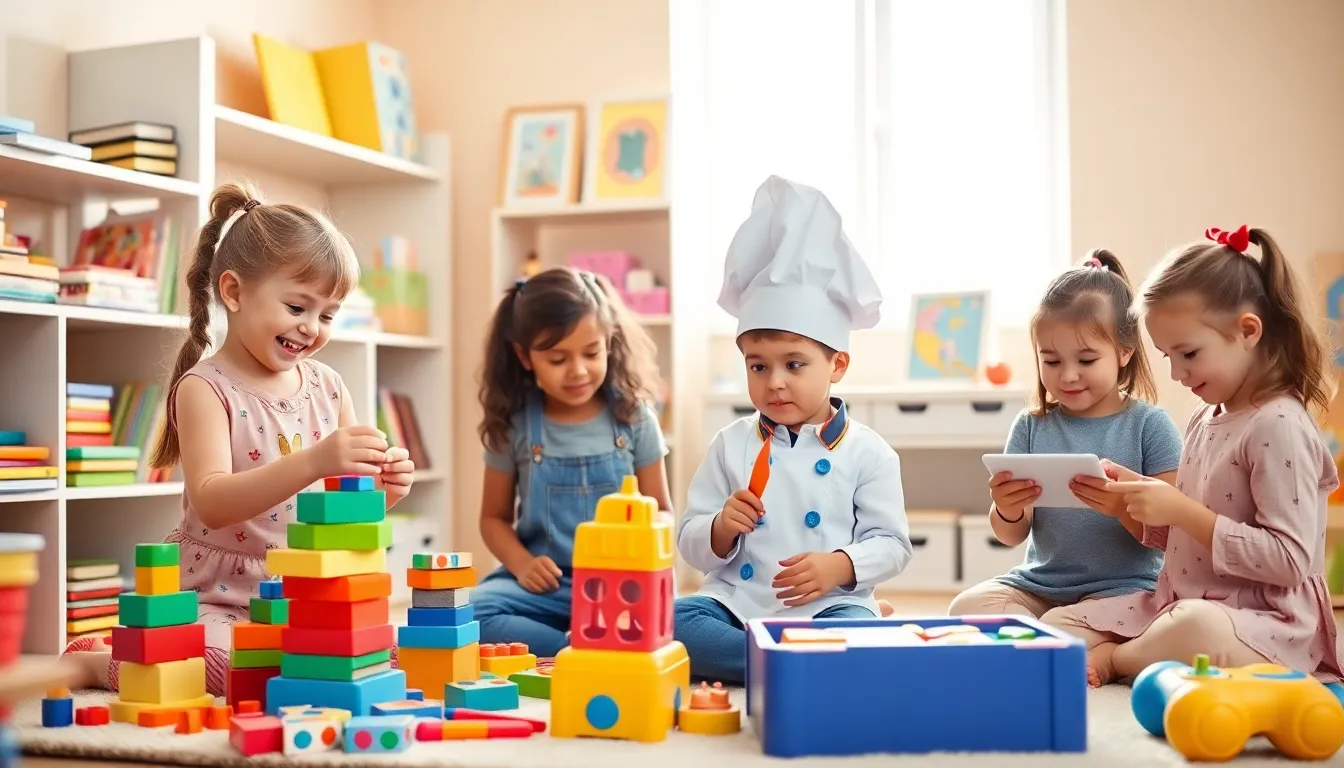
Educational toys are not mere playthings: they are essential tools for child development. At ages four and five, children are buzzing with energy and curiosity, eager to explore the world around them. These toys serve a dual purpose: keeping kids entertained while stimulating their minds. Think of them as the magic keys to unlock various skills, from problem-solving to critical thinking. Children learn best through play, and incorporating educational toys helps bridge the gap between fun and learning. It’s almost like sneaking vegetables into a delicious smoothie, only, in this case, the veggies are disguised as exciting toys.
Also, these toys foster creativity and imagination. When children engage in activities like building blocks or role-playing games, they are not only having fun but also developing cognitive skills they need for school and beyond. So, investing in educational toys is essentially investing in your child’s future success.
Types Of Educational Toys
The world of educational toys is vast and diverse, appealing to various interests and skills. Here are some popular types:
Building Sets
These toys encourage spatial awareness and critical thinking. Brands like LEGO provide building blocks that allow children to create anything their heart desires, sparking both creativity and engineering skills.
Puzzles
Puzzles are fantastic for cognitive development and problem-solving. They come in various difficulty levels, catering to the skills of all four and five-year-olds. Plus, they can be tons of fun.
STEM Kits
Science, Technology, Engineering, and Math (STEM) kits are all the rage. These kits often include hands-on activities that make learning these subjects engaging and less daunting. From chemistry sets to robotic kits, the options are endless.
Art Supplies
Creativity flourishes with good old art supplies. Coloring books, crayons, and modeling clay can help children express themselves while developing fine motor skills.
Role-Playing Toys
Pretend play is a major part of childhood development. Toys that encourage role-playing, think kitchen sets or doctor kits, help children understand the world around them and develop social skills.
Benefits Of Educational Toys For Development
Educational toys contribute significantly to a child’s overall development. Each play session becomes an opportunity to learn new skills or reinforce existing ones. Here’s how:
Enhancing Cognitive Skills
Toys that require children to think critically, solve problems, or even memorize patterns can substantially boost cognitive abilities. They learn faster and retain information better when engaged in enjoyable activities.
Promoting Social Interaction
When children play with toys designed for group activities, they learn important social skills like sharing and cooperation. These skills are critical as they prepare to navigate the complexities of school and friendships.
Boosting Language Skills
Many educational toys encourage storytelling and role play. Engaging in these practices helps expand vocabulary, comprehension, and communication skills. A child who plays with dolls or action figures often describes scenarios and dialogues, enhancing their language use.
Reinforcing Fine Motor Skills
Many educational toys, like building sets or art supplies, require precision and coordination. These activities strengthen fine motor skills, making future tasks, like writing, much easier.
How To Choose The Right Educational Toys
Selecting the right educational toys can be overwhelming, given the plethora of choices. Here’s a handy guide:
Assess Developmental Needs
Consider what skills your child needs to develop. Are they struggling with numbers? Perhaps a counting toy would help. Observe their interests and select toys that align with those.
Check Age Appropriateness
Always look for age recommendations. Toys designed for older children may pose risks or may not engage younger ones effectively.
Focus on Quality
It’s tempting to buy cheaper options on sale, but often you get what you pay for. Choose durable, safe materials that will last through numerous play sessions.
Involve Your Child
Whenever possible, let children have a say in their toys. If they’re excited about something, they are more likely to engage and learn from it.
Popular Educational Toys For 4-5 Year Olds
There’s a delightful selection of educational toys that have consistently ranked high among parents and educators. Here are a few favorites:
LEGO DUPLO
Perfect for little hands, DUPLO sets encourage creativity while helping develop fine motor skills.
Melissa & Doug Puzzles
Known for their durability and engaging designs, these wooden puzzles are excellent for teaching problem-solving and patience.
Tinkering Labs Stem Kits
These kits invite kids to engineer and create from everyday materials, sparking a love for STEM subjects.
Crayola Art Supplies
With a variety of colors and types, Crayola remains a staple for nurturing your young artist’s skills.
Play-Doh
Every parents’ favorite squishy mess. Kids can mold and create their own designs, boosting their imagination and creativity.
Safety Considerations When Selecting Toys
Safety should always be a top priority when selecting educational toys. Here’s what to keep in mind:
Material Safety
Check for non-toxic materials. Toys made from wood or BPA-free plastic are generally safer choices.
Avoid Small Parts
Toys for this age group should not contain small parts that can pose choking hazards. Always look for toys labeled as appropriate for 4-5-year-olds.
Check Reviews
Researching reviews from other parents can provide insight into the toy’s durability and any safety concerns.