


Transitioning from one activity to another can feel like a mini Olympic event for preschoolers. Between the giggles, wiggles, and sometimes dramatic meltdowns, getting little ones to switch gears isn’t always smooth sailing. Thankfully, with engaging transition activities, it can be a breeze. Let’s explore why these activities are vital and how they help make every change feel like a new adventure instead of a challenging job. Get ready for tips, tricks, and a sprinkle of fun.
Understanding the Importance of Transition Activities
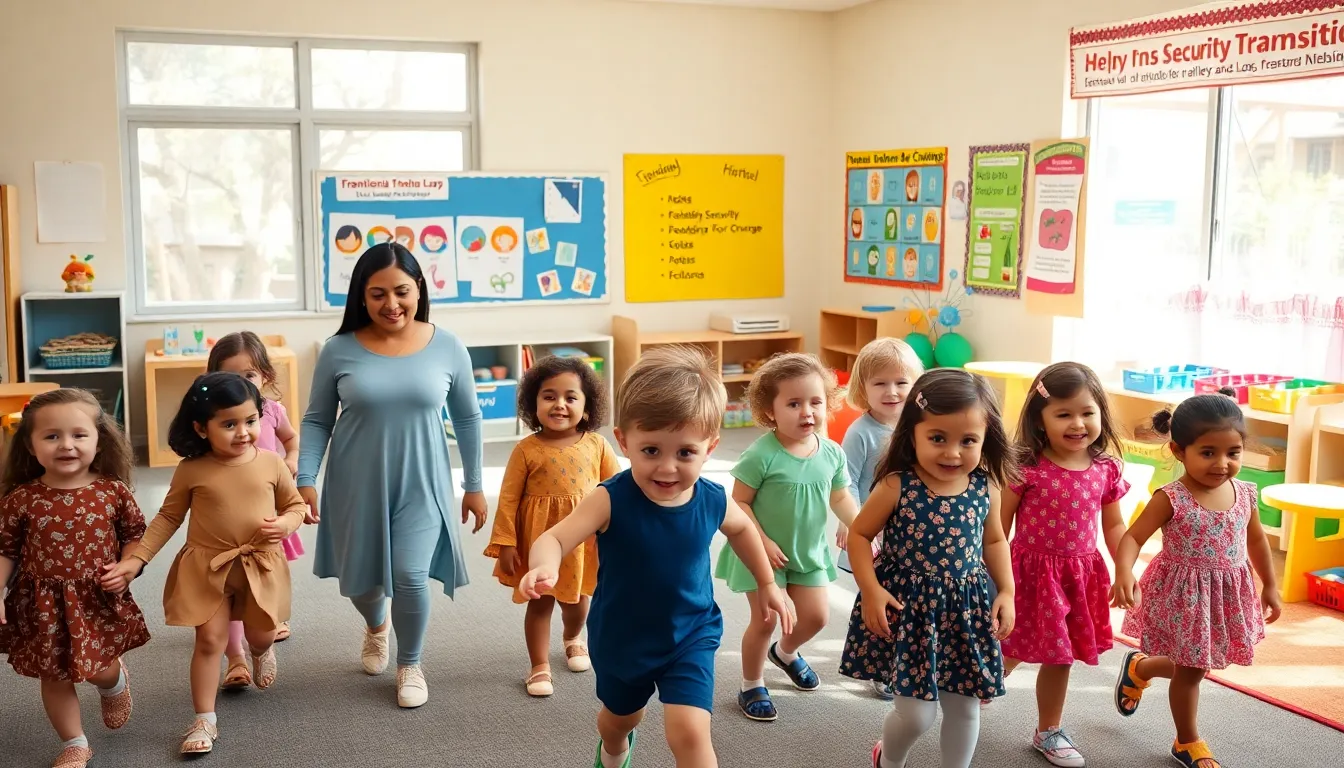
Transition activities serve an essential purpose in preschool contexts. They help children adjust from one task to another, reducing anxiety and promoting a sense of security. Think about it: jumping from circle time to free play can be a monumental shift for a little mind. Transitioning smoothly prepares them for what’s coming next, giving them the emotional tools they need to thrive in various environments. Also, these activities can foster social skills, boost self-regulation, and enhance focus. Together, they create a foundation for successful behavior not just in preschool, but throughout life.
Types of Transition Activities
Transition activities come in numerous shapes and forms, designed to engage young minds as they shift gears. Here are three dynamic types:
1. Movement-Based Transition Activities
Movement gets those little bodies ready to switch tasks. Simple activities like ‘Simon Says’ or ‘Freeze Dance’ encourage children to get up, move around, and prepare for the next fun thing. Beyond being fun, these activities also promote physical development, helping young ones grow stronger and more coordinated.
2. Music and Rhythm Transition Activities
Nothing captures attention quite like music. Transitioning to a new activity with a catchy song can transform any experience. Teachers can create a personalized transition song or use familiar tunes, prompting kids to sing along while making the switch. This musical engagement provides a gentle way for preschoolers to signal the end of one activity and the beginning of another, paving the way for smooth transitions.
3. Storytelling and Role-Playing Transition Activities
Who said transitions can’t be fun? Incorporating storytelling or role-playing can bring the next activity to life. By crafting a story around what’s next, children can envision the transition ahead. For example, turning a move from storytime to snack time into a mini adventure with bears looking for food or astronauts on a space mission can spark their imagination and interest.
Strategies for Successful Transitions
Implementing transition activities effectively requires some strategic planning. Here are three strategies that can help:
Creating a Consistent Routine
Predictability is key for preschoolers. Establish a routine that flows smoothly, so children know what to expect. Consistency helps lessen anxiety as they anticipate what’s coming next. By incorporating familiar activities into these routines, transitioning becomes a more manageable task for young children.
Incorporating Visual Aids
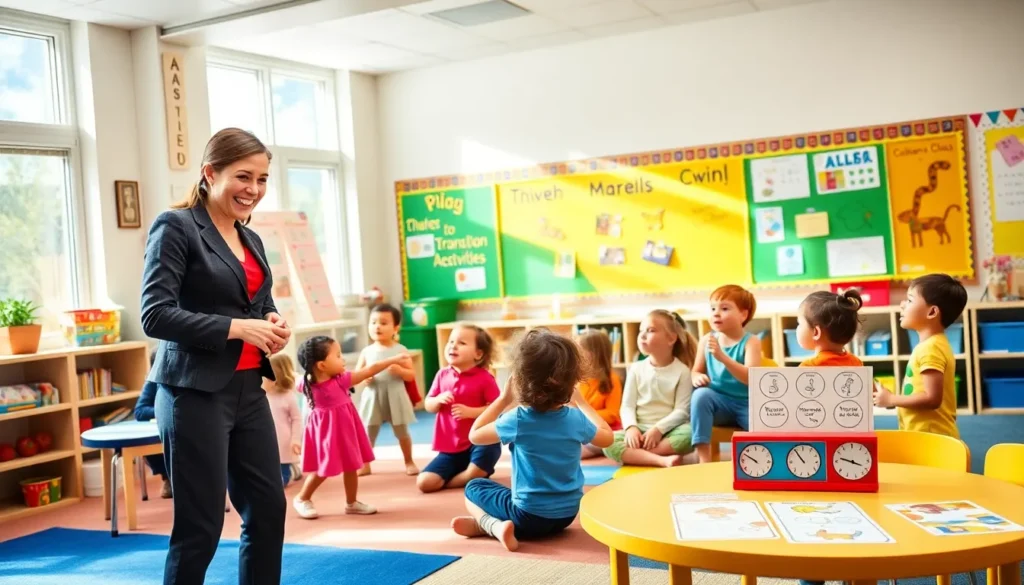
Visual aids can work wonders. Using timers, charts, or even images of the next activity can provide clear indicators of what is about to happen. When children see a visual representation of their upcoming transition, it helps them mentally prepare. Besides, colorful visuals can pique their interest, making transitions feel less like chores and more like engaging opportunities.
Engaging Parents and Caregivers
Involving parents and caregivers in the transition process can enhance effectiveness. They can reinforce routines at home, providing continuity between the preschool environment and their everyday life. Regular communication and sharing resources, such as activities practiced during transition periods, can create a unified approach, encouraging consistency and helping children become more comfortable during transitions.
Measuring the Effectiveness of Transition Activities
Assessing how well transition activities are working is essential in ensuring they meet the needs of preschoolers. Teachers can observe behaviors during transitions to evaluate their success. Key indicators of effectiveness include:
- Level of engagement: Are children attentive and participating during transitions?
- Reduction in anxiety: Do children seem more relaxed as they shift from one activity to another?
- Behavioral responses: Are there fewer disruptions or outbursts during transition times?
Collecting feedback from children can also provide valuable insights. Asking questions like, “What was your favorite part?” can open discussions about their feelings towards transitions, leading to adjustments while fostering a supportive environment.