


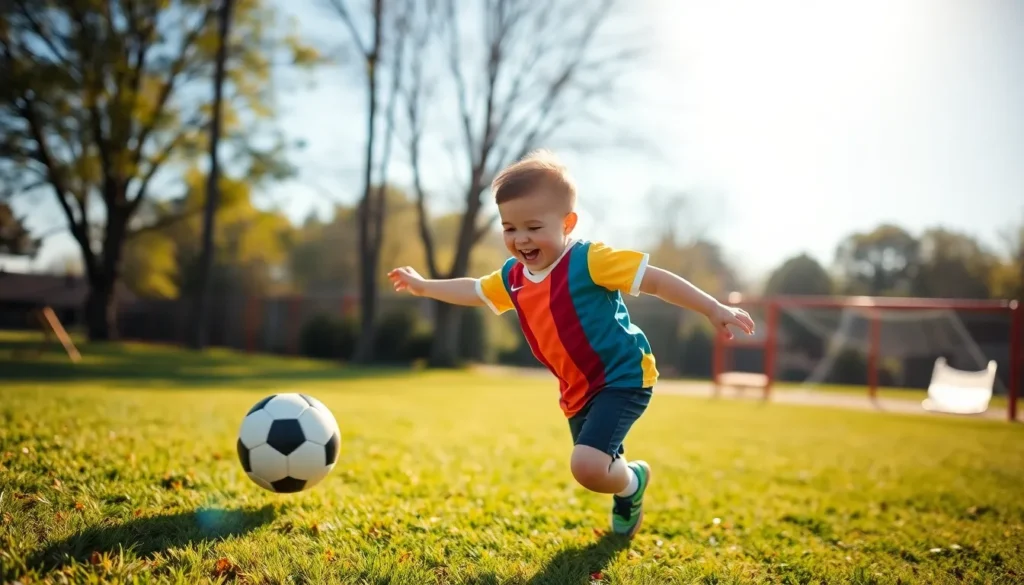
Introducing toddlers to sports activities can spark a lifelong love for movement and play. At this young age, kids are naturally curious and energetic, making it the perfect time to explore various sports. Engaging in physical activities not only promotes physical health but also enhances social skills, coordination, and confidence.
From simple games to structured play, there’s a wide array of sports activities tailored for little ones. These activities cater to their developmental needs while providing an opportunity for fun and bonding with peers. As parents and caregivers seek ways to encourage active lifestyles, understanding the best options for toddlers becomes essential.
Benefits of Sports Activities for Toddlers
Engaging toddlers in sports activities yields numerous advantages that extend beyond physical fitness. These activities play a crucial role in holistic development during these formative years.
Physical Development
Sports activities significantly enhance toddlers’ physical development. Activities like running, jumping, and kicking help build strength, balance, and coordination. Regular participation improves cardiovascular health and promotes flexibility in muscles and joints. A study by the American Academy of Pediatrics indicates that active toddlers are more likely to develop healthy habits as they grow. Team sports or group games also foster gross motor skills, allowing children to navigate their environment confidently.
Social Skills
Participating in sports cultivates essential social skills in toddlers. Engaging in group activities teaches cooperation, sharing, and taking turns. Interacting with peers during play fosters communication abilities, as children learn to express their feelings and follow instructions. Structured sports also introduce basic concepts of teamwork and camaraderie, which encourage a sense of belonging. According to research from the National Association for Sport and Physical Education, children involved in organized sports exhibit greater emotional maturity and problem-solving skills.
Types of Sports Activities for Toddlers
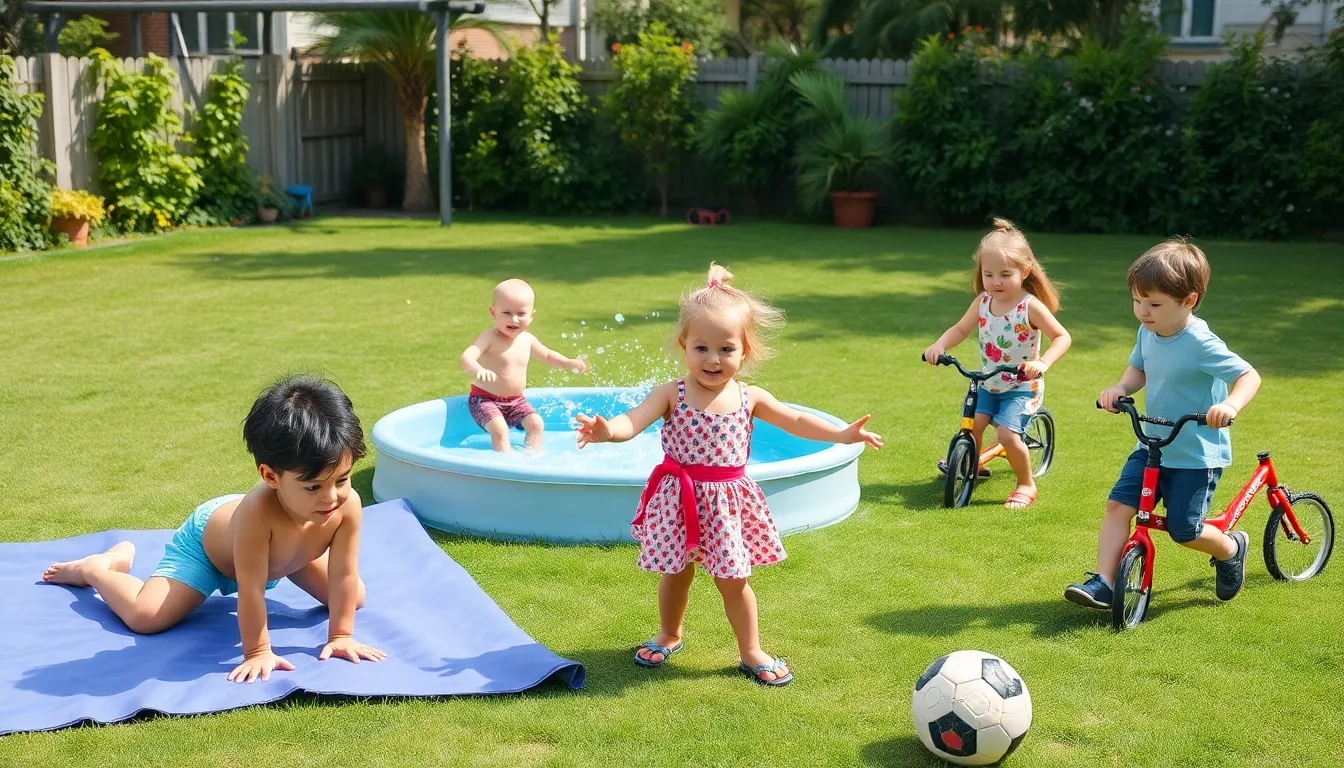
Toddlers can engage in a variety of sports activities, each offering unique benefits. These activities can be categorized into individual sports and team sports, catering to various interests and developmental stages.
Individual Sports
- Gymnastics: Develops strength, flexibility, and coordination through movements on mats and simple apparatus.
- Swimming: Improves comfort in water while enhancing motor skills and cardiovascular health.
- Dance: Encourages rhythm and body awareness, promoting creativity and physical expression.
- Running: Provides fundamental movement skills, building endurance and confidence in physical abilities.
- Biking: Enhances balance and coordination as toddlers learn to ride tricycles or balance bikes.
Team Sports
- Soccer: Teaches basic skills, including kicking and teamwork, while promoting cardiovascular fitness.
- T-ball: Introduces batting and running bases, improving hand-eye coordination in a fun, group setting.
- Basketball: Develops motor skills like catching and throwing, fostering teamwork and communication.
- Hockey: Encourages coordination and spatial awareness as toddlers learn to handle a puck or ball.
- Relay races: Instills a sense of teamwork and friendly competition through collaborative play.
These sports activities support toddlers’ holistic development while making movement enjoyable. Parents can select activities that align with their child’s interests, thereby fostering an engaging and active lifestyle.
Safety Considerations
Ensuring safety during sports activities for toddlers is crucial. This includes selecting age-appropriate activities and maintaining proper supervision, along with using suitable equipment to minimize risks.
Age-Appropriate Activities
Choosing age-appropriate activities for toddlers promotes safety and enjoyment. Activities should match their physical development and abilities. Recommended options include:
- Gymnastics: Enhances flexibility and strength. Basic movements like rolling and jumping can be fun and safe.
- Swimming: Introduces water safety skills. Use floatation devices for beginners.
- Dance: Encourages movement and rhythm. Simple steps help toddlers express themselves without high risk.
- Running: Facilitates basic motor skills. Short distances in secure areas keep it safe.
- Biking: Develops coordination. Tricycles or balance bikes provide stability for beginners.
Activities should be engaging and suitable for toddlers’ developmental stages, ensuring they stay safe while enjoying movement.
Supervision and Equipment
Consistent supervision is essential during sports activities to ensure toddlers practice safety. Caregivers should:
- Stay close: Maintain proximity to respond quickly if needed.
- Encourage safe play: Reinforce rules to minimize accidents.
- Monitor interactions: Observe social engagement and behavior with peers for signs of distress or discomfort.
Using appropriate equipment enhances safety. Options include:
- Protective gear: Helmets, knee pads, and elbow pads reduce injury risk.
- Age-appropriate sports gear: Lightweight and appropriately sized equipment promotes safety and comfort.
- Safe play environments: Use soft surfaces like grass or padded areas to cushion falls.
Maintaining proper supervision and using safety equipment minimizes injuries, creating a secure and enjoyable environment for toddlers during sports activities.
Tips for Encouraging Participation
Toddlers thrive in environments that promote fun and connection. Encouraging participation in sports activities involves creating enjoyable experiences and fostering achievable expectations.
Making It Fun
Incorporating play into sports activities enhances engagement. Selecting games with colorful equipment, simple rules, and vibrant settings captures toddler interest. Activities like obstacle courses, relay races, and cooperative games motivate toddlers to explore while promoting physical exercise. Allowing toddlers to choose activities increases their excitement and willingness to participate. Celebrating small achievements, such as completing a task or mastering a skill, fosters joy and encourages continued involvement.
Setting Realistic Goals
Setting achievable goals fosters a sense of accomplishment. Identifying appropriate skills for toddlers, such as throwing, catching, or balancing, ensures tasks match their developmental stages. Focusing on progress rather than perfection builds confidence. Encouraging short practice sessions allows toddlers to develop skills without becoming overwhelmed. Adjusting goals based on individual abilities ensures each toddler experiences success, ultimately promoting a positive attitude towards sports and physical activity.
Introducing toddlers to sports activities lays the foundation for a healthy and active lifestyle. By engaging in various sports, children not only enhance their physical abilities but also develop crucial social skills and emotional resilience. The right activities can spark a love for movement that lasts a lifetime.
Parents and caregivers play a vital role in guiding toddlers toward suitable sports. By selecting age-appropriate options and ensuring a safe environment, they can foster a positive experience that encourages participation. Celebrating small successes and making play a central aspect of sports will help maintain toddlers’ enthusiasm. Ultimately, the goal is to create joyful memories that instill a passion for physical activity and teamwork in young children.