


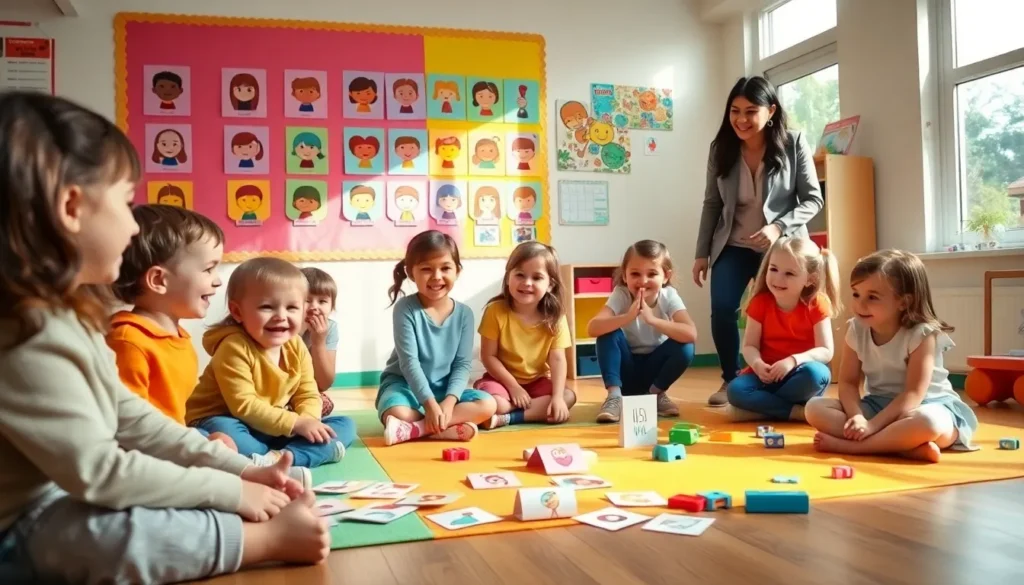
Introducing preschoolers to the world of emotions can feel like trying to herd cats, adorable, but a little chaotic. But, understanding feelings is essential for kids as they navigate social interactions. Lucky for you, there’s a treasure trove of printable activities designed to make learning about emotions engaging and enjoyable. These activities not only make learning fun but also equip children with crucial skills they’ll need for life. So grab your scissors and glue, and get ready to embark on an emotion-filled adventure.
Understanding Emotions in Preschoolers
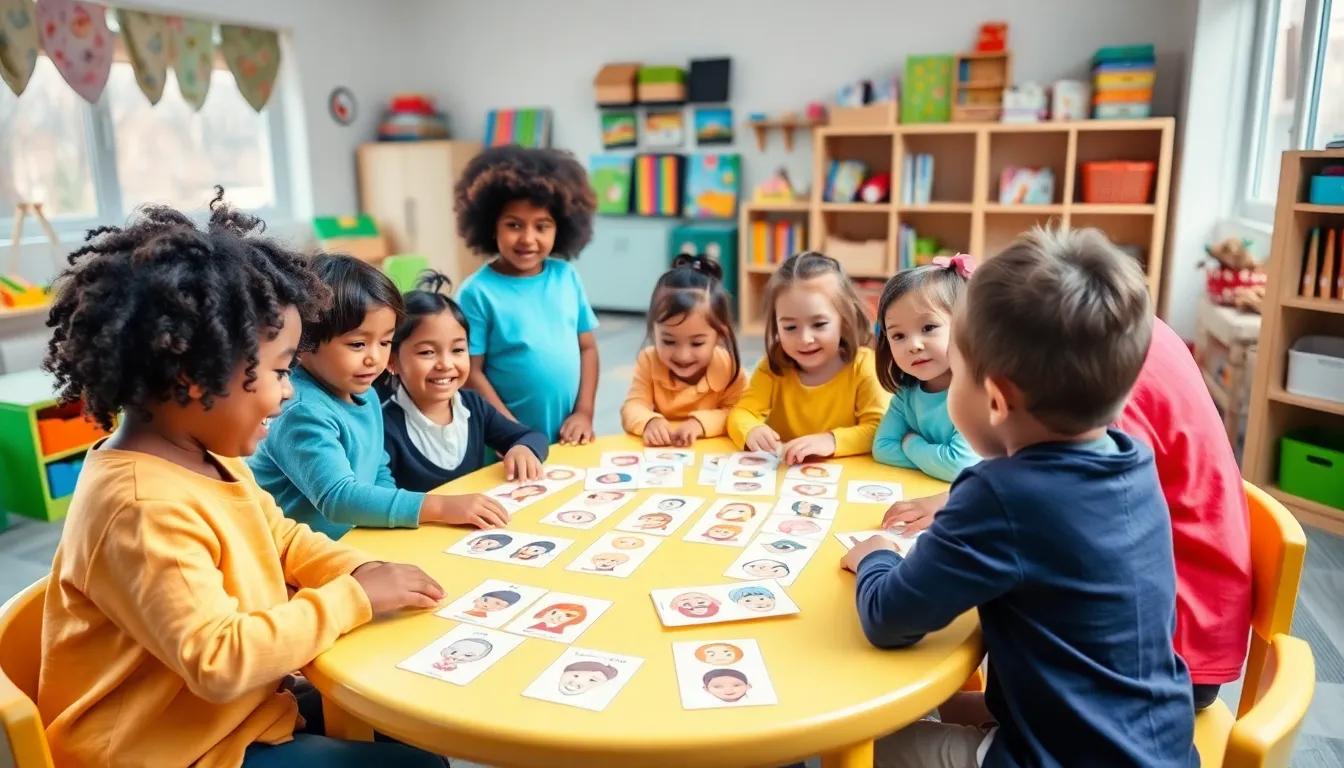
Preschoolers experience a whirlwind of emotions, often oscillating from joy to frustration in the blink of an eye. But what does it mean for them to feel these things? At this young age, they are still developing the ability to recognize and articulate their feelings. Often, they can feel overwhelmed and may not know how to express what they’re experiencing. This is why learning about emotions is vital during these formative years. By providing children with the tools to identify their feelings, parents, teachers, and caregivers can help cultivate emotional intelligence, paving the way for better relationships and social skills as they grow.
Importance of Emotional Development
Emotional development lays the foundation for various aspects of a child’s growth. It influences how they form friendships, manage challenges, and tackle new experiences. When preschoolers understand their emotions, they can communicate more effectively, solve conflicts, and even bounce back from disappointments. Also, children who have a solid grasp of their feelings tend to exhibit higher self-esteem and resilience. It’s not just about feeling good: emotional skills play a critical role in shaping future behavior and interpersonal relationships. Encouraging emotional development early on can lead to healthier, happier children who feel capable of navigating life’s ups and downs.
Creative Printable Activities
Here are some fantastic printable activities to help preschoolers explore emotions while having a blast. Each one is unique, engaging, and ready to spark discussions about feelings.
1. Feelings Flashcards
Flashcards are a classic educational tool that can turn learning into a playful experience. Create colorful flashcards featuring various emotions such as happiness, sadness, anger, and surprise. You can use the cards to play matching games, or even have kids act out the emotions depicted. This activity targets both visual and kinesthetic learners, making it versatile for different learning styles.
2. Emotion Matching Games
Who doesn’t love a game? Print out images of faces with different emotional expressions and have the kids match them to the corresponding feeling word. This game not only reinforces vocabulary but also enhances recognition skills as they identify different emotions. Plus, kids love watching their friends giggle at the silly faces.
3. Emotion Coloring Pages
Coloring books aren’t just for doodling: they can also be fantastic learning tools. Provide coloring pages that showcase various emotions. As the children color each expression, encourage them to talk about a time they felt that way. This sparks conversations and helps them recognize emotions in themselves and their peers.
4. Storytime Emotion Charts
Reading is an excellent way to encounter different scenarios and feelings. After reading a story, create an emotion chart together. Ask the kids how they think the characters felt at different points in the story. This helps them develop empathy and understand diverse emotional perspectives.
Tips For Implementing Activities
To maximize the impact of these printable activities, consider the following tips:
- Create an Emotion Corner: Dedicate a space in your classroom or home where activities and resources focused on emotions are displayed. This could include the flashcards, emotion charts, and more, serving as consistent reminders in their environment.
- Use Real-Life Examples: When teaching about emotions, there’s nothing quite like real-life examples. Share personal stories where you felt different emotions, and encourage children to share theirs.
- Follow Their Lead: Pay attention to the emotions children exhibit. Use their experiences as teachable moments. When a child feels upset, ask them to point to a flashcard that represents what they feel.
- Incorporate Movement: Turn emotional expressions into a game where kids act out emotions through movement. This engages their bodies while reinforcing emotional learning.
- Be Patient: Understanding emotions is a gradual process. Celebrate small victories and be patient with preschoolers as they learn.
Engaging Parents and Caregivers
Involving parents and caregivers in emotional development activities creates a stronger support system for preschoolers. Here are some effective strategies:
- Share Resources: Distribute printable activities and resources to parents, encouraging them to continue these lessons at home.
- Host Workshops: Organize workshops where parents can learn about the importance of emotional development and strategies to carry out at home.
- Create Family Challenges: Design fun challenges that families can engage in together, such as sharing a family story time where everyone discusses feelings or playing matching games at home.
Engaging parents creates a community where emotional learning can thrive, reinforcing the concepts learned in preschool.