


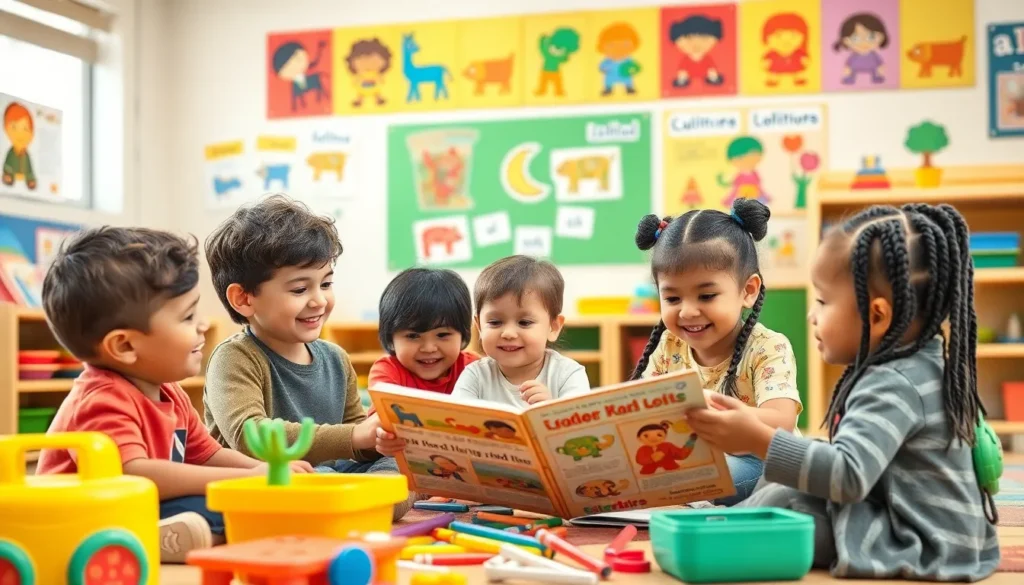
In today’s globalized world, the demand for bilingualism is higher than ever, and preschool bilingual education is stepping into the spotlight. Early childhood is a critical time for language acquisition, making it the perfect opportunity for children to immerse themselves in more than one language. This educational approach not only fosters communication skills but also enhances cognitive development, cultural awareness, and social interactions.
Parents and educators alike are recognizing the numerous benefits of bilingual education in preschools. By introducing children to multiple languages at a young age, they’re setting the stage for lifelong advantages in academics and career opportunities. As the landscape of education evolves, understanding the principles and practices of preschool bilingual education becomes essential for those looking to give their children a head start in an increasingly interconnected world.
Overview Of Preschool Bilingual Education
Preschool bilingual education targets children aged three to five, introducing them to two or more languages during formative years. This approach utilizes immersive techniques, where children are exposed to different languages through play, storytelling, and conversation. Effective bilingual programs emphasize meaningful interactions, helping children develop linguistic skills alongside cognitive abilities.
Programs often include two distinct types: dual language and immersion. Dual language programs teach both languages equally, facilitating fluency. Immersion programs primarily use one language while integrating the second to reinforce bilingual literacy. Each type fosters cultural appreciation, cognitive flexibility, and enhanced problem-solving skills.
Research supports the benefits of bilingual education, indicating that bilingual children often show superior executive function skills. Studies reveal that these children may perform better on tasks requiring multitasking, attention control, and memory. Additionally, preschool bilingual education can enhance social skills, as children engage with peers from diverse backgrounds.
Parents actively supporting bilingual education observe noticeable increases in their children’s language proficiency and confidence. They contribute to a positive learning environment, encouraging practice at home. Educators are essential in this process, employing strategies that promote language development through structured activities and informal interactions.
Overall, preschool bilingual education equips children with essential skills for navigating a multicultural world, laying a strong foundation for future academic and professional success.
Benefits Of Preschool Bilingual Education
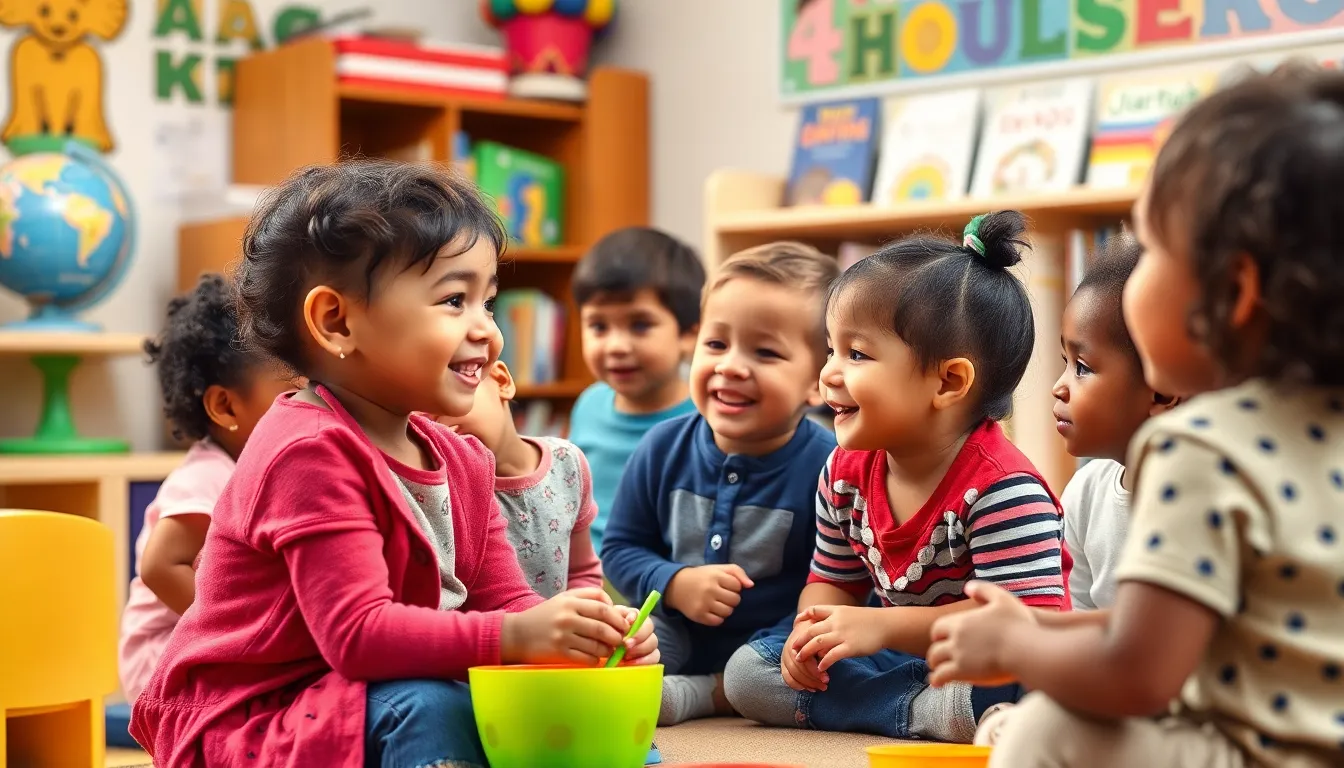
Preschool bilingual education offers a range of valuable benefits that positively influence children’s development. These advantages encompass cognitive development and enhanced social skills.
Cognitive Development
Bilingual preschool education significantly boosts cognitive abilities. Studies demonstrate that bilingual children show improved executive function skills, such as problem-solving and multitasking. Engaging with multiple languages enhances mental flexibility, creativity, and adaptability. Children adept in two languages often excel in tasks requiring critical thinking and attention control compared to their monolingual peers. For instance, a study by Bialystok (2011) highlights that bilingual children outperform others in tasks demanding switching between tasks and managing distractions.
Social Skills Enhancement
Preschool bilingual education fosters social skills through diverse interactions. Children in bilingual settings frequently engage with peers from various cultural backgrounds, promoting empathy and communication skills. They learn to navigate social dynamics through language use and cultural expressions, leading to deeper relationships and increased cooperation. For example, bilingual children often exhibit greater openness to differing perspectives, contributing to a more inclusive environment. These early social experiences build a strong foundation for teamwork and interpersonal relationships throughout their lives.
Challenges In Implementing Preschool Bilingual Education
Implementing preschool bilingual education presents several challenges that educators and parents face. Addressing these challenges ensures an effective and enriching experience for young learners.
Teacher Training and Resources
Teacher training is essential for successful bilingual education. Many educators lack adequate training in bilingual teaching methodologies, which can hinder effective language delivery. Training programs often don’t emphasize the dual-language approach, missing opportunities for teachers to develop relevant skills. Additionally, access to bilingual resources, such as books and educational materials, may be limited in certain regions. Without proper resources, educators struggle to create an immersive environment conducive to language learning. Professional development opportunities in bilingual education can enhance teaching practices and improve student outcomes.
Parental Support and Involvement
Parental support plays a crucial role in the effectiveness of preschool bilingual education. Parents may have varying levels of proficiency in the second language, which can affect their ability to reinforce learning at home. Inconsistent language exposure between school and home can undermine children’s bilingual development. Furthermore, parents might lack understanding of the program’s benefits, leading to reduced involvement. Encouraging parental engagement through workshops, informational sessions, and community resources fosters a supportive environment that complements the educational experience. Active participation helps build a consistent language-rich setting that enhances children’s bilingual skills.
Case Studies In Preschool Bilingual Education
Examining successful case studies in preschool bilingual education reveals effective strategies and insights into implementation. These examples illustrate the tangible benefits and challenges faced by various programs.
Successful Programs
- Dual Language Immersion in California
A dual language immersion program in California enrolls students in English and Spanish. This program incorporates literacy and subject matter instruction in both languages, resulting in high academic achievement and bilingual proficiency by the end of preschool.
- Head Start’s Bilingual Model in Texas
A bilingual Head Start program in Texas utilizes a focused curriculum to integrate English and Spanish. With qualified bilingual educators, children demonstrate improved language skills and heightened cognitive abilities through structured play and interactive storytelling.
- International Schools in New York
An international school in New York employs an immersion approach for preschoolers. It exposes students to languages such as Mandarin and French, promoting cultural awareness and easing the transition to multilingual environments. Students achieve strong social skills and confidence in their language abilities.
Lessons Learned
- Teacher Training
Effective teacher training is critical for bilingual education success. Programs emphasizing specialized training in bilingual methodologies enhance teaching quality and program effectiveness.
- Parental Engagement
Involving parents in the learning process strengthens bilingual practices at home. Workshops and resources that educate parents about the benefits of bilingual education facilitate stronger partnerships between educators and families.
- Resource Allocation
Access to diverse bilingual resources influences program quality. Schools maintaining well-stocked libraries and interactive materials foster an enriching bilingual environment that enhances learning engagement.
- Community Involvement
Community support plays an essential role in building successful bilingual programs. Integrating local culture within the curriculum encourages children’s connection with both languages and their cultural significance.
- Ongoing Assessment
Continuous assessment of language progress allows for timely adjustments in teaching methods. Monitoring children’s language development informs educators about the effectiveness of instructional strategies and necessary modifications.
Preschool bilingual education is a vital tool for preparing children for a diverse world. It not only enhances language skills but also fosters cognitive growth and social development. As awareness of its benefits continues to rise among parents and educators, the demand for effective bilingual programs will likely increase.
Addressing the challenges in implementation is essential to maximize these benefits. By investing in teacher training and fostering parental involvement, communities can create enriching environments that support bilingual learning. The positive outcomes seen in successful case studies highlight the potential of these programs to shape well-rounded individuals. Embracing bilingual education at an early age is a step toward cultivating future leaders who thrive in multicultural settings.