


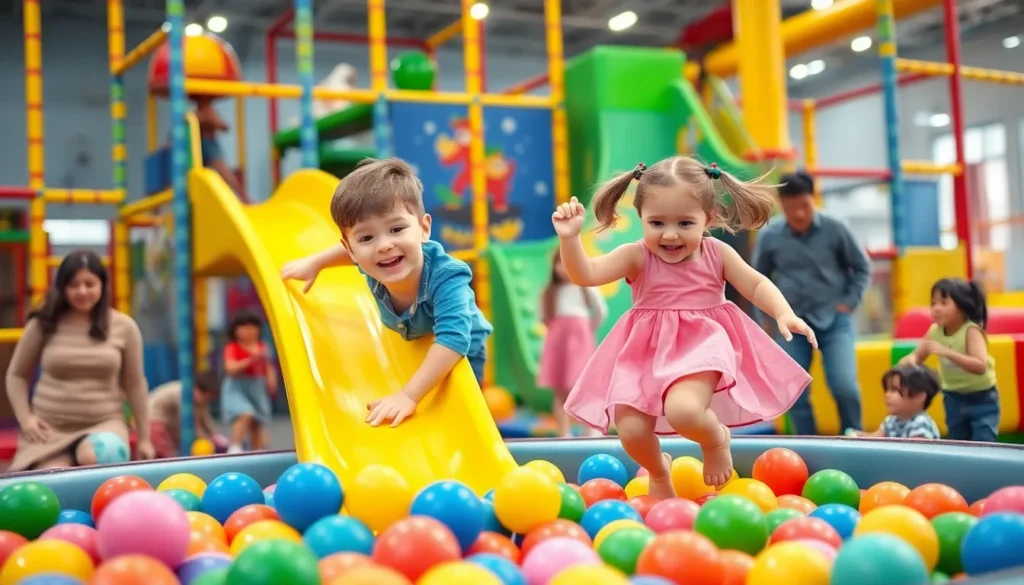
In today’s fast-paced world, finding safe and engaging places for kids to play can be a challenge. Kids indoor playgrounds have emerged as a popular solution, offering a vibrant and stimulating environment where children can unleash their energy. These facilities provide a perfect escape from the elements while promoting physical activity and social interaction among peers.
From climbing structures to ball pits, indoor playgrounds are designed to captivate young minds and bodies. They cater to various age groups, ensuring that every child finds something fun to explore. As parents look for ways to keep their little ones active and entertained, indoor playgrounds are becoming essential destinations for family outings and birthday parties alike.
Overview of Kids Indoor Playgrounds
Kids’ indoor playgrounds serve as dynamic environments designed specifically for children’s play and development. These facilities typically include a variety of attractions such as climbing walls, slides, ball pits, and obstacle courses. Playgrounds cater to a wide range of ages, making them suitable for toddlers, preschoolers, and older children.
Children engage in both structured activities and free play, promoting physical fitness and enhancing social skills through interaction with peers. Many facilities employ safety measures, such as soft flooring and padded structures, which reduce the risk of injuries.
Indoor playgrounds often adapt to seasonal changes and inclement weather, providing a reliable space for fun regardless of outdoor conditions. Parents appreciate that these venues often feature amenities such as cafés, party rooms, and designated areas for caregivers to relax.
Overall, kids’ indoor playgrounds combine fun and safety, offering families a versatile option for recreation and group events. They align with modern parenting needs by fostering an active lifestyle while ensuring children remain engaged and entertained.
Benefits of Kids Indoor Playgrounds
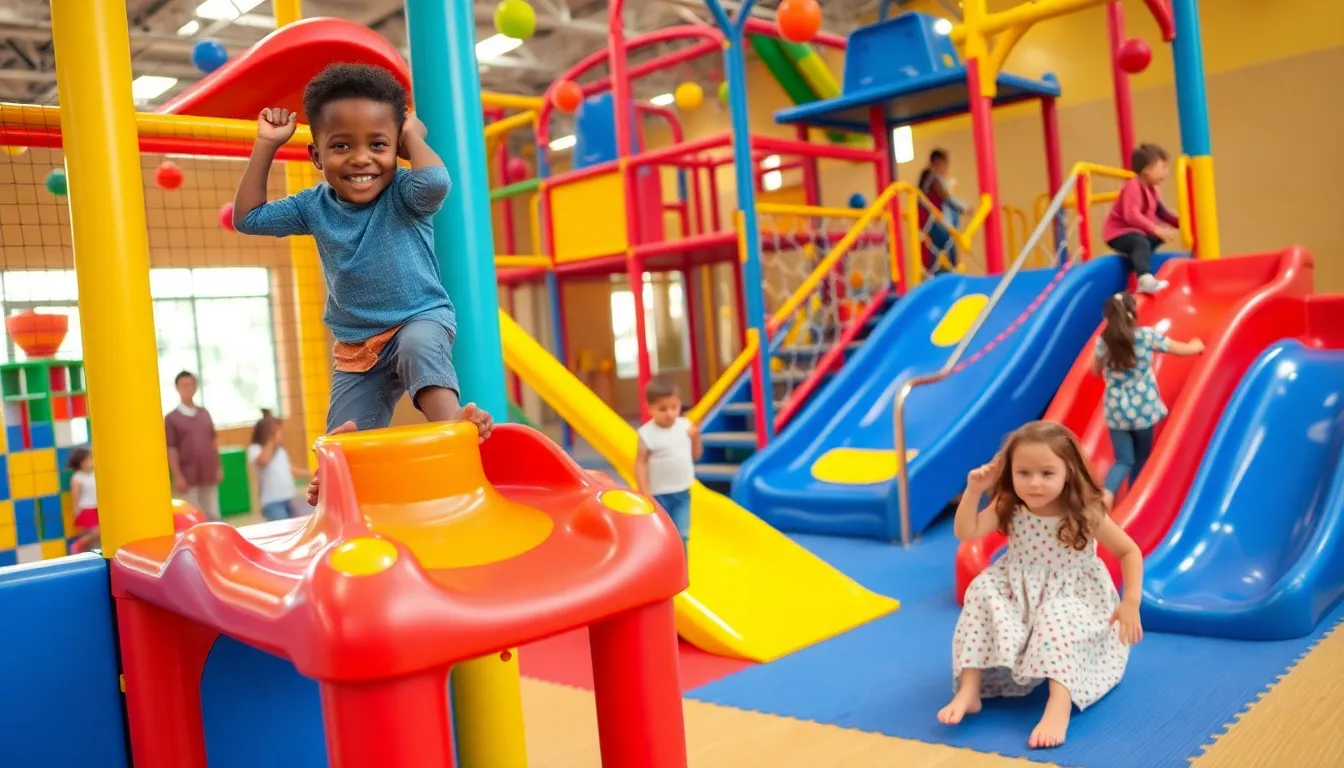
Kids indoor playgrounds offer numerous advantages that support children’s growth and development. These environments create opportunities for physical activities and social interactions, essential elements for overall well-being.
Physical Development
Physical development occurs through activities such as climbing, sliding, and running. Indoor playgrounds feature age-appropriate equipment, enabling children to improve their motor skills, balance, and coordination. Engaging in these activities helps build strength and endurance. Studies indicate that children who participate in regular physical play are less prone to obesity and related health issues. Indoor playgrounds encourage active play, providing a structured yet fun way to exercise regardless of the weather.
Social Skills Enhancement
Social skills enhancement is a crucial benefit of kids indoor playgrounds. Children interact with peers and learn essential behaviors like sharing, teamwork, and communication. Engaging in group activities fosters friendships and improves social awareness. Kids who regularly attend indoor playgrounds develop confidence in their social interactions. Supervised environments support positive socialization, allowing caregivers to monitor interactions and guide children in resolving conflicts. Such experiences are vital for building emotional intelligence and empathy.
Popular Features in Kids Indoor Playgrounds
Kids’ indoor playgrounds feature a variety of attractions designed to foster fun and development. These engaging elements cater to different age groups, promoting physical activity and socialization.
Climbing Structures
Climbing structures form a central feature in most indoor playgrounds. They include walls, towers, and nets that encourage children to enhance their strength, coordination, and balance. Designed with various difficulty levels, these structures cater to toddlers through older children, allowing everyone to challenge themselves safely. Safety measures such as soft landings and protective barriers prevent injuries while children explore and climb. For instance, multi-level climbing towers often incorporate slides that provide a thrilling descent after an energizing climb.
Ball Pits
Ball pits serve as a staple in indoor playgrounds, providing a sensory-rich environment that encourages imaginative play. Filled with colorful, soft plastic balls, they offer children a safe area to jump, dive, and socialize. Typically designed to promote free play, ball pits support motor skills development as kids learn to navigate through the floating balls. Additionally, the vibrant colors stimulate visual engagement, while interactions with peers enhance social skills. Many facilities also ensure cleanliness and safety by regularly sanitizing and maintaining these playful areas, enhancing the overall experience for children and caregivers alike.
Safety Considerations
Safety remains a top priority in kids’ indoor playgrounds. These environments incorporate various features designed to minimize risks and ensure children’s well-being while they play.
- Equipment Safety: All playground equipment undergoes regular inspections and maintenance. Operators check for wear and tear, ensuring that climbing structures, slides, and obstacle courses remain secure and functional.
- Soft Flooring: Facilities often install soft flooring materials, such as foam tiles or padded carpets. These surfaces cushion falls and reduce injury risks, enhancing safety during active play.
- Age-Appropriate Zones: Play areas are typically divided by age groups. This zoning prevents younger children from using equipment designed for older kids, ensuring suitably challenging experiences based on developmental stages.
- Supervision Requirements: Many indoor playgrounds enforce supervision policies. Trained staff frequently monitor play areas to intervene in potential conflicts, ensuring safe interactions among children.
- Sanitation Protocols: Regular cleaning and sanitization procedures help maintain hygiene. Facilities emphasize disinfection of high-touch surfaces and play structures to protect children from illness.
- Emergency Procedures: Indoor playgrounds implement clear emergency procedures. Staff members receive training to handle situations such as injuries or evacuations effectively.
- Parent Education: Facilities often provide information and guidelines for parents. By informing caregivers about safety protocols, playground operators enhance awareness and encourage responsible supervision.
Safety measures in kids’ indoor playgrounds foster a secure environment. These precautions create a space where children can freely explore, socialize, and develop essential skills, all while minimizing risks.
Tips for Choosing the Right Kids Indoor Playground
Selecting the appropriate kids’ indoor playground involves several key considerations to ensure a safe, enjoyable, and engaging experience for children.
Evaluate Safety Features
- Check for Safety Standards: Verify adherence to local and national safety regulations.
- Inspect Equipment: Ensure all play structures are well-maintained and free from hazards.
- Assess Soft Flooring: Confirm the presence of cushioned flooring to minimize injury risks during falls.
Consider Age Appropriateness
- Identify Age Zones: Look for playground areas designed specifically for different age groups.
- Evaluate Equipment Suitability: Ensure attractions match children’s developmental stages, fostering appropriate challenges.
Review Playground Layout
- Observe Space Design: Check for spacious layouts that allow easy supervision and movement.
- Examine Sightlines: Ensure caregivers can maintain clear views of children throughout the facility.
Look into Staff Qualifications
- Check Staff Training: Confirm that staff members receive training in child safety and first aid.
- Assess Supervision Levels: Verify that adequate staff remains present to monitor children and facilitate activities.
Explore Available Amenities
- Identify Family-Friendly Features: Look for amenities like cafés, rest areas, and accessible restrooms.
- Examine Hygiene Stations: Ensure convenient access to handwashing stations and sanitization supplies.
Read Reviews and Ratings
- Check Online Feedback: Review customer testimonials to understand other parents’ experiences.
- Consider Recommendations: Seek advice from friends or local parenting groups about popular playground options.
Compare Pricing and Packages
- Analyze Admission Costs: Evaluate entry fees, membership options, and seasonal promotions.
- Review Special Offers: Look for discounts on birthday party packages or group bookings.
Kids’ indoor playgrounds offer a unique blend of fun and safety that caters to modern families. These spaces not only keep children active but also foster social skills and emotional development. With a variety of attractions designed for different age groups, they encourage exploration and creativity in a secure environment.
As parents seek engaging ways to promote physical activity, indoor playgrounds stand out as ideal destinations for playdates and celebrations. By prioritizing safety and providing amenities for caregivers, these facilities create a well-rounded experience for everyone involved. Ultimately, kids’ indoor playgrounds are more than just play areas; they’re essential environments that support children’s growth while delivering joy and excitement.