


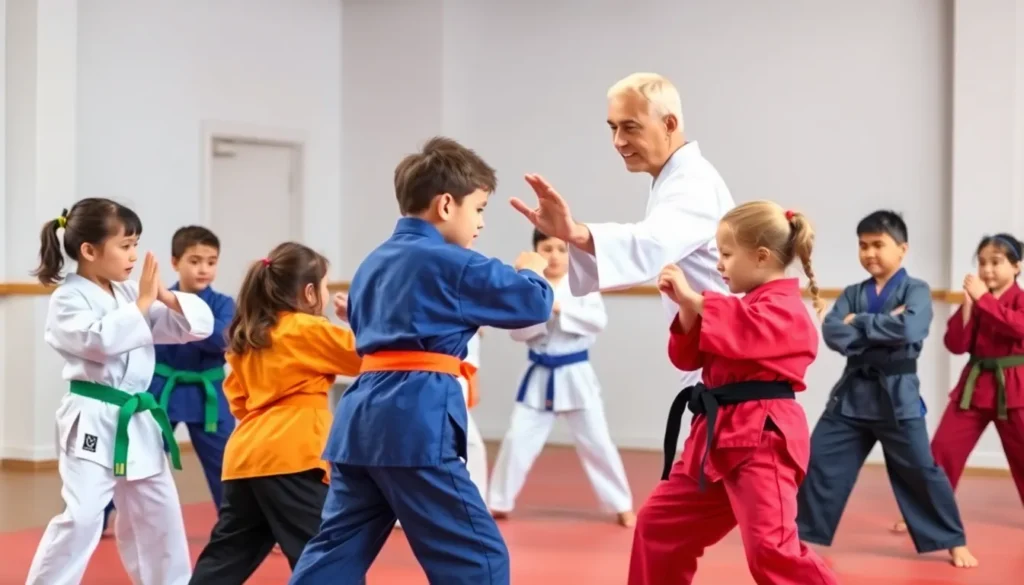
Martial arts for children is more than just a way to learn self-defense; it’s a powerful tool for personal development. As kids engage in martial arts, they cultivate essential life skills like discipline, focus, and respect. These practices not only enhance physical fitness but also boost confidence and social interaction among peers.
In today’s fast-paced world, parents are increasingly seeking activities that promote both mental and physical well-being for their children. Martial arts classes provide a structured environment where kids can thrive, learn teamwork, and develop resilience. Whether it’s through karate, taekwondo, or judo, the benefits of martial arts extend far beyond the dojo, shaping well-rounded individuals ready to face life’s challenges.
Overview Of Children’s Martial Arts
Children’s martial arts encompasses various disciplines designed to teach essential skills while promoting physical and mental well-being. Popular styles include karate, taekwondo, and judo, each offering unique techniques and philosophies.
Benefits
- Discipline: Children learn to follow instructions, respect authority, and maintain self-control.
- Focus: Training sessions encourage concentration, helping kids improve attention spans in academics and daily activities.
- Physical Fitness: Martial arts classes enhance strength, flexibility, and cardiovascular health through dynamic movements and exercises.
- Confidence: Mastering techniques boosts self-esteem as kids achieve personal goals and gain recognition from peers and instructors.
- Social Interaction: Group classes foster camaraderie, teaching teamwork and communication skills.
Structure of Classes
Classes typically feature a warm-up, skill development, and sparring or technique practice. Instructors emphasize respect and etiquette, ensuring a positive learning atmosphere. Age-appropriate training tailored for different developmental stages aids in skill acquisition and retention.
Safety Measures
Child safety remains paramount in martial arts. Schools implement strict guidelines regarding equipment, protective gear, and supervision during classes. These measures help mitigate risks associated with physical activity.
Conclusion
Children’s martial arts serves as a holistic avenue for personal development, physically and mentally preparing kids for future challenges. Its structured environment cultivates valuable life skills, making it an ideal activity for parents seeking positive engagement in their children’s lives.
Benefits Of Children’s Martial Arts
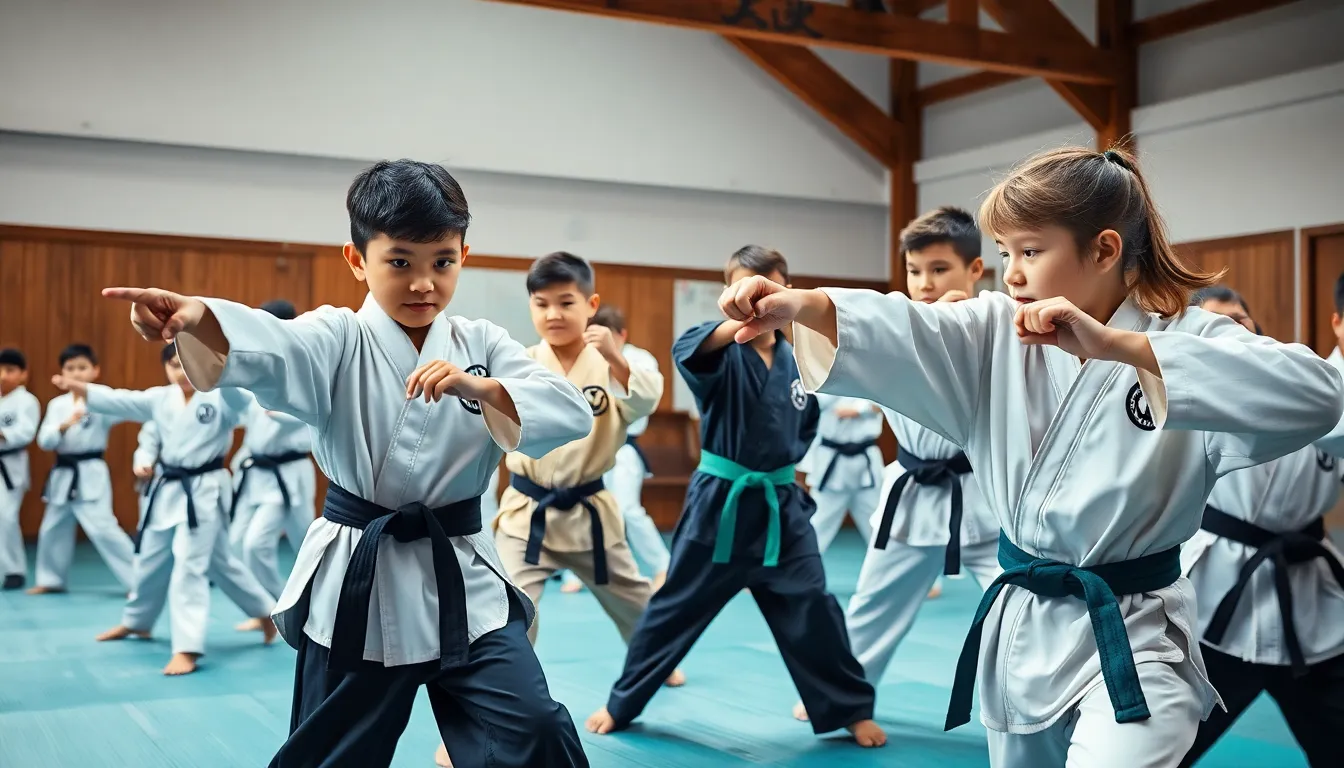
Children’s martial arts programs provide numerous advantages that help foster overall development. These benefits range from physical fitness to mental discipline and social skills.
Physical Fitness
Martial arts enhance children’s physical fitness through various structured activities. Training involves cardiovascular exercises, strength building, and flexibility improvement. Each class integrates warm-up routines, technique application, and cool-down exercises. Regular participation helps children maintain a healthy weight, strengthen their muscles, and improve coordination. As they learn moves, they also enhance motor skills, agility, and balance.
Mental Discipline
Children’s martial arts instills mental discipline vital for personal growth. Practicing martial arts requires focus and attention to detail. Students learn to follow instructions precisely, enhancing their cognitive skills. The repetitive nature of training reinforces perseverance, helping children develop a strong work ethic and patience. This disciplined mindset often translates into improved performance in academic settings.
Social Skills
Martial arts encourages the development of essential social skills through group interactions. Classes create opportunities for teamwork, cooperation, and mutual respect among peers. Children learn to communicate effectively and build friendships within a supportive community. Shared experiences in training foster camaraderie, which improves their ability to work collaboratively in various social situations.
Popular Types Of Children’s Martial Arts
Children’s martial arts includes various disciplines, each offering unique techniques and benefits. This diversity allows kids to find the style that best suits them.
Karate
Karate emphasizes striking techniques such as punches, kicks, and knee strikes. It fosters discipline by requiring students to execute precise movements and follow a structured curriculum. Karate classes often integrate kata, or forms, which enhance memory and focus. As children progress, they experience boosts in self-confidence from mastering their skills and advancing through belt ranks.
Taekwondo
Taekwondo focuses on high, fast kicks and jumping techniques. The art promotes physical fitness and flexibility while teaching respect and discipline. Taekwondo training incorporates sparring and self-defense, encouraging kids to set and achieve goals. Advanced students develop powerful kicking techniques and learn to apply their skills in controlled sparring scenarios, further enhancing their confidence.
Brazilian Jiu-Jitsu
Brazilian Jiu-Jitsu (BJJ) centers on grappling and ground fighting, prioritizing leverage and technique over strength. BJJ teaches children problem-solving and critical thinking skills as they learn to escape holds and submit opponents. Classes emphasize self-control and respect, allowing kids to gain confidence through skill development and live sparring drills. BJJ’s focus on individual progress helps enhance social interaction among peers in a supportive environment.
How To Choose The Right Program
Selecting a suitable martial arts program for children requires consideration of several key aspects. Parents should assess age appropriateness and instructor qualifications to ensure children receive the best possible experience.
Age Appropriateness
Age-specific classes promote an optimal learning environment for children. Many schools offer programs tailored for various age groups, typically ranging from 4 to 17 years. Younger children, aged 4-6, benefit from classes emphasizing basic motor skills and foundational techniques in a fun setting. Programs for ages 7-12 often introduce more structured techniques and encourage personal growth through discipline, focus, and respect. Teen classes, typically for 13-17 years, may delve into advanced techniques and competitive training, fostering both physical and mental resilience. Ensuring age-appropriate classes supports children’s engagement and development, aligning training with their cognitive and physical maturity.
Instructor Qualifications
Instructor expertise significantly influences the quality of martial arts training. Parents should seek qualified instructors with recognized certifications in their respective martial arts disciplines. Look for instructors with extensive experience working with children, as they understand unique teaching methods and communication styles that resonate with younger students. Additionally, instructors should prioritize safety measures and foster a positive learning atmosphere. It’s beneficial to inquire about instructor backgrounds, teaching philosophies, and approaches to discipline and respect within their classes. Qualified instructors create an environment where children can thrive both physically and mentally, ensuring a rewarding martial arts journey.
Children’s martial arts provides a comprehensive approach to personal growth and development. By engaging in these activities, kids not only learn self-defense but also cultivate essential skills that benefit them in various aspects of life. The structured environment fosters discipline and respect while enhancing physical fitness and social interactions.
Parents can feel confident that martial arts classes offer valuable experiences that contribute to their children’s overall well-being. With various disciplines available, families can choose the right fit based on their child’s interests and needs. Ultimately, the journey through martial arts equips children with the tools they need to navigate life’s challenges with confidence and resilience.