


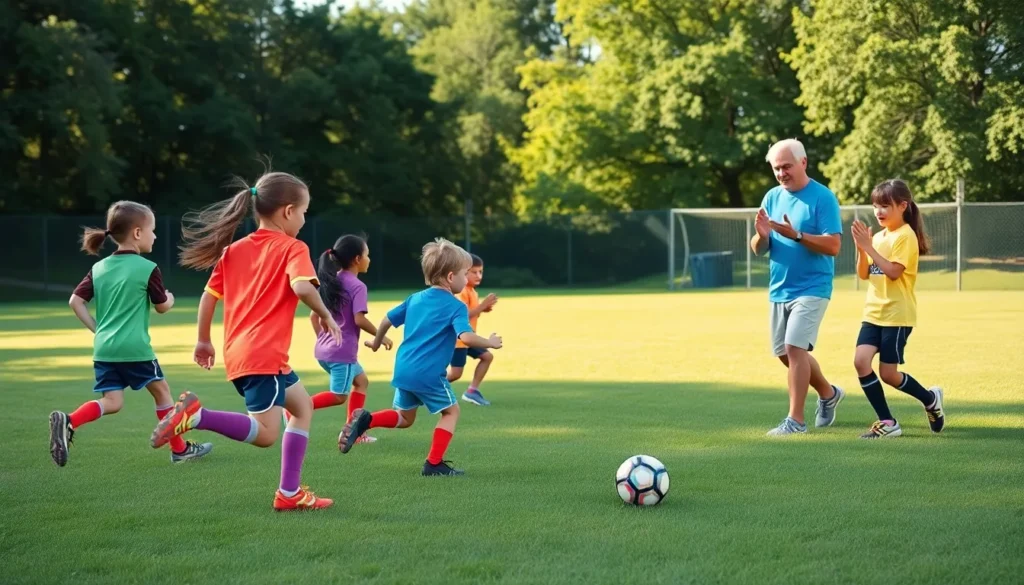
After school sports play a crucial role in the development of children and teens. These programs not only promote physical fitness but also foster essential life skills like teamwork, discipline, and resilience. As kids step off the classroom floor and onto the field or court, they embark on a journey that shapes their character and builds lasting friendships.
Participating in after school sports can significantly enhance a child’s social life and academic performance. Engaging in physical activity after a long day of classes helps reduce stress and improve focus, making it easier for students to tackle their homework and studies. With various sports options available, from soccer to basketball, there’s something for everyone, ensuring that every child has the opportunity to thrive both physically and emotionally.
Overview Of After School Sports
After school sports programs offer structured physical activities that cater to children and teens. These programs include various sports such as basketball, soccer, volleyball, and swimming, appealing to diverse interests and skill levels.
Participation in these sports enhances physical fitness, contributing to overall health. Regular physical activity helps maintain a healthy weight, improves cardiovascular health, and builds strength and endurance.
Sports activities also foster essential life skills. Teamwork enables participants to collaborate and communicate effectively. Discipline instills a strong work ethic, teaching individuals to adhere to practice schedules and follow rules. Resilience develops as athletes learn to overcome setbacks and embrace competition.
Engagement in after school sports promotes social interaction among peers, enhancing friendships and communication skills. It also provides opportunities to connect with coaches and mentors, offering valuable guidance and support.
Furthermore, involvement in these programs often leads to improved academic performance. Regular exercise reduces stress and anxiety, leading to better focus and productivity in schoolwork.
After school sports present a holistic approach to child development, promoting physical, social, and academic growth through engaging and enjoyable activities.
Benefits Of After School Sports
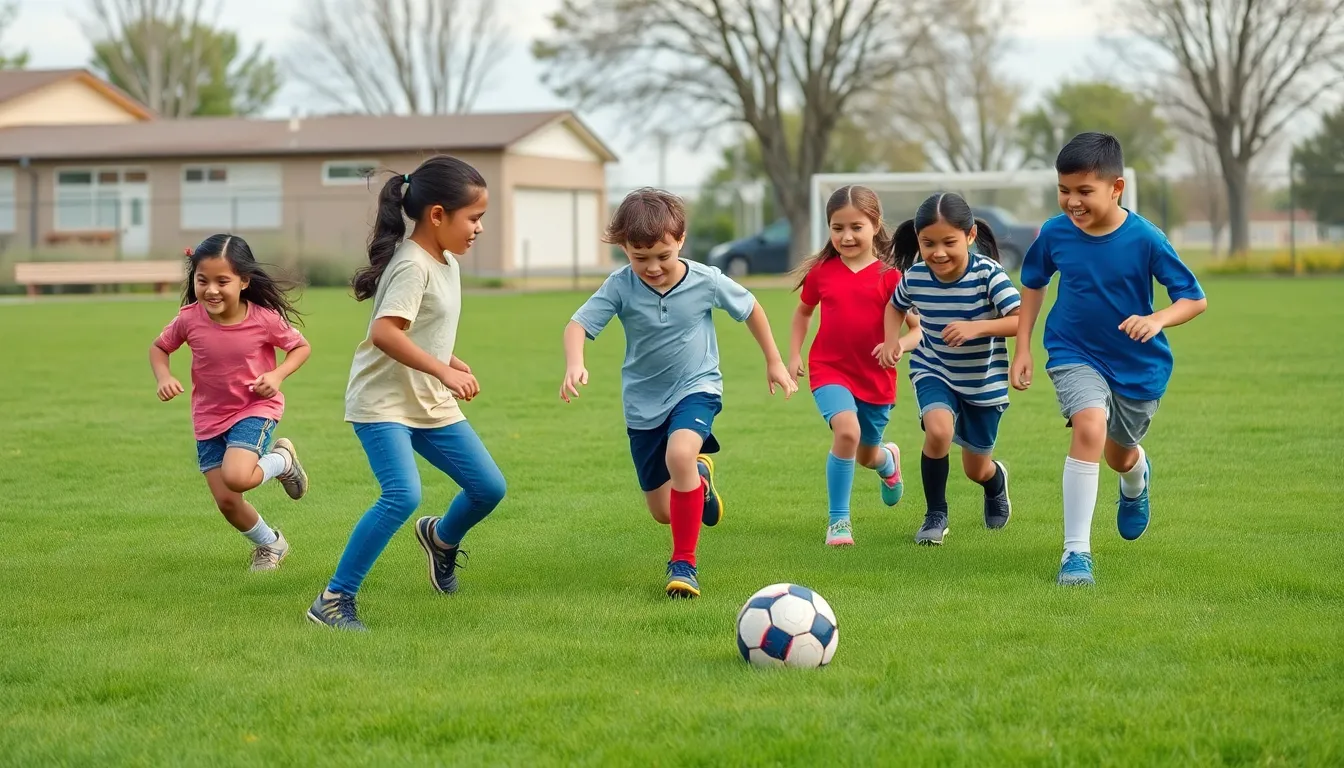
After school sports offer numerous advantages that contribute to children’s overall growth. These benefits encompass physical health, mental health, and social skills development.
Physical Health Benefits
- Improved Cardiovascular Fitness: Regular participation in sports enhances heart health by promoting better circulation and endurance.
- Weight Management: Engaging in physical activities helps maintain a healthy weight and reduces the risk of obesity.
- Increased Strength and Flexibility: Sports foster muscle development and joint flexibility through various physical movements.
- Bone Density Improvement: Weight-bearing activities support stronger bones, reducing the likelihood of fractures and osteoporosis later in life.
- Enhanced Coordination and Balance: After school sports improve motor skills and balance, contributing to overall physical performance.
Mental Health Benefits
- Stress Reduction: Engaging in sports lowers stress levels by releasing endorphins, which promote feelings of happiness.
- Boosted Self-Esteem: Achievements in sports build confidence, positively impacting self-image and personal goals.
- Enhanced Focus and Concentration: Physical activities improve concentration skills, helping children perform better academically.
- Improved Emotional Regulation: Sports teach children to cope with wins and losses, promoting resilience and emotional stability.
- Social Support Network: Participating in sports fosters friendships that provide emotional support and companionship.
Social Skills Development
- Teamwork and Cooperation: Sports emphasize the importance of working together towards common goals, enhancing collaborative skills.
- Effective Communication: After school sports promote verbal and non-verbal communication, essential for successful teamwork.
- Conflict Resolution: Children learn to resolve disputes on and off the field, improving their negotiation skills in various situations.
- Respect for Authority: Participation in sports teaches respect for coaches and officials, reinforcing respectful behavior in broader contexts.
- Cultural Awareness: Engaging with diverse teammates exposes children to different cultures and perspectives, fostering inclusivity and understanding.
Types Of After School Sports
Various types of after school sports cater to different interests and preferences, offering students opportunities to engage in physical activity, build skills, and foster social connections.
Team Sports
Team sports emphasize collaboration and camaraderie among participants. Common options include:
- Basketball: Develops agility, hand-eye coordination, and teamwork.
- Soccer: Enhances cardiovascular fitness, promotes strategy, and encourages communication.
- Volleyball: Improves coordination, teamwork, and social skills through interactive play.
- Baseball/Softball: Encourages discipline, focus, and cooperation in a competitive setting.
Engagement in team sports supports students’ social development and instills values of sportsmanship and dedication.
Individual Sports
Individual sports allow students to focus on personal growth and achievement. Popular choices include:
- Swimming: Improves endurance, strength, and overall fitness.
- Tennis: Enhances agility, hand-eye coordination, and strategic thinking.
- Track and Field: Boosts cardiovascular health, flexibility, and self-discipline through individual events.
- Martial Arts: Fosters physical fitness, confidence, and self-control in a structured environment.
Participation in individual sports encourages self-motivation and resilience, as athletes work towards personal goals.
Innovative Sports Programs
Innovative sports programs introduce unique activities that capture students’ interests while promoting physical fitness. Examples include:
- Ultimate Frisbee: Combines elements of soccer and basketball, emphasizing cardiovascular fitness and teamwork.
- Rock Climbing: Develops strength, coordination, and problem-solving skills in a fun setting.
- Dance: Promotes creativity, self-expression, and physical fitness through various dance styles.
- Adventure Sports: Includes activities like kayaking and mountain biking, encouraging exploration and physical challenges.
These programs provide exciting alternatives to traditional sports, appealing to a broader range of students and fostering an inclusive environment.
Challenges In After School Sports
After school sports encounter several challenges that can hinder their effectiveness and accessibility. Addressing these issues is essential to maximize participation and benefit.
Scheduling Conflicts
Scheduling conflicts frequently affect after school sports participation. Many students juggle academic commitments, extracurricular activities, and family responsibilities. Conflicts arise when sports programs coincide with homework, music lessons, or other activities, limiting potential engagement. Schools and coaches often struggle to find suitable times for practices and games that accommodate diverse student schedules.
Funding Issues
Funding issues pose significant challenges for after school sports programs. Many institutions face financial constraints that limit resources for equipment, facility rentals, and coaching staff salaries. Limited funding can lead to increased participation fees, potentially excluding low-income families from joining. Schools often rely on grants and community support to provide adequate funding, highlighting the importance of addressing financial barriers for equitable sports opportunities.
Participation Barriers
Participation barriers impact student involvement in after school sports. Factors such as lack of transportation, low self-esteem, and intimidation can deter students from joining. Some students may lack access to safe practice environments or face peer pressure that discourages involvement in certain sports. Creating an inclusive and supportive environment is crucial to overcoming these barriers and encouraging diverse participation in after school sports programs.
After school sports play a crucial role in shaping well-rounded individuals. They not only enhance physical health but also support mental and social development. By providing a platform for teamwork and personal growth, these programs create a positive environment for children and teens.
Addressing the challenges that limit participation is essential for maximizing the benefits of after school sports. With a focus on inclusivity and support, communities can foster a culture where all students feel encouraged to engage in physical activities. Ultimately, the impact of after school sports extends far beyond the playing field, contributing to healthier and more confident young people ready to face life’s challenges.