


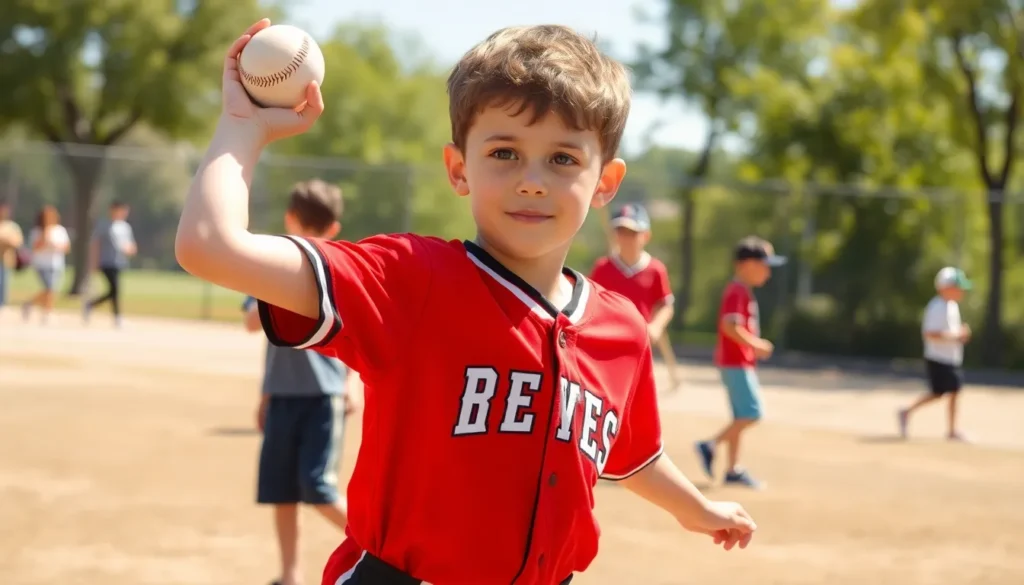
In a world where physical activity is crucial for healthy development, teaching kids essential sports skills can set the foundation for a lifetime of fitness and fun. Engaging in sports not only promotes physical health but also fosters teamwork, discipline, and resilience. As children learn to kick, throw, and run, they build confidence and social connections that extend beyond the playing field.
Parents and coaches play a vital role in nurturing these skills, helping kids discover their interests and strengths. By introducing them to various sports, they can explore different activities that keep them active and engaged. This article delves into the key sports skills every child should learn, offering insights and tips to support their athletic journey.
Importance Of Sports Skills For Kids
Sports skills play a crucial role in children’s overall growth. These skills contribute to physical development and foster social interaction, instilling valuable life lessons.
Physical Development
Sports skills enhance children’s physical abilities, including coordination, strength, and endurance. Mastering skills such as running, jumping, and throwing improves cardiovascular health and muscle development. Engaging in diverse physical activities helps children maintain a healthy weight and reduces the risk of obesity. According to the Centers for Disease Control and Prevention (CDC), children ages 6-17 require at least 60 minutes of moderate to vigorous physical activity daily. Learning sports skills also aids in developing motor skills, which are essential for everyday functions and recreational activities.
Social Skills
Participation in sports cultivates essential social skills in children. Engaging in team sports promotes teamwork and cooperation, encouraging children to work collaboratively towards common goals. They learn to communicate effectively, share responsibilities, and support their peers. Sports also offer opportunities for conflict resolution, as children face challenges and disagreements that require negotiation. Furthermore, forming friendships through sports activities fosters a sense of belonging and boosts self-esteem. Research shows that children involved in sports exhibit higher levels of confidence and social competence, benefiting their overall emotional well-being.
Types Of Sports Skills
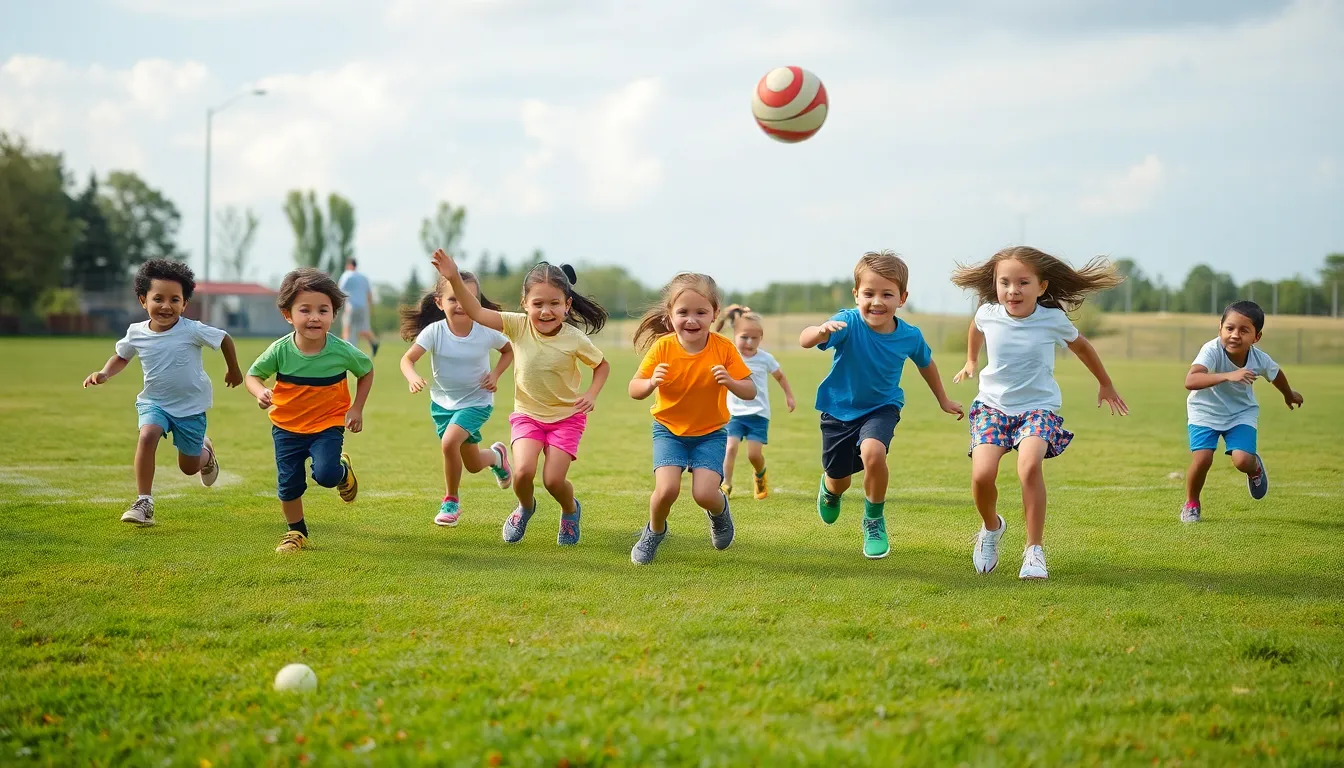
Children develop various sports skills that contribute to their physical and social growth. These skills can be categorized into fundamental motor skills and sport-specific skills.
Fundamental Motor Skills
Fundamental motor skills form the foundation for all physical activities. Mastering these skills enhances balance, coordination, and agility, enabling children to engage more fully in sports and recreational activities. Key fundamental motor skills include:
- Running: Running improves cardiovascular fitness and enhances speed.
- Jumping: Jumping develops lower body strength and coordination.
- Throwing: Throwing enhances arm strength and hand-eye coordination.
- Catching: Catching builds coordination and reaction time.
- Kicking: Kicking improves leg strength and spatial awareness.
Children aged 3-6 typically refine these skills through play and structured activities, promoting confidence and enjoyment in movement.
Sport-Specific Skills
Sport-specific skills focus on techniques and tactics unique to individual sports. These skills often require practice and instruction to master. Examples of sport-specific skills include:
- Dribbling: Dribbling in basketball and soccer enhances control and agility.
- Swinging: Swinging a bat in baseball or a racket in tennis develops precision and timing.
- Passing: Passing in team sports promotes teamwork and communication.
- Defending: Defensive skills in soccer and basketball help children understand positioning and strategy.
- Shooting: Shooting in basketball and other sports focuses on accuracy and technique.
Acquiring sport-specific skills allows children not only to excel in their chosen sports but also to enjoy a variety of activities throughout their lives.
How To Teach Sports Skills
Teaching sports skills involves creating a supportive atmosphere and using suitable techniques tailored to children’s developmental stages. This approach fosters engagement and growth in young athletes.
Creating A Positive Environment
Creating a positive environment encourages children to explore sports skills without fear of failure. Parents and coaches can achieve this by:
- Celebrating Efforts: Recognizing improvement and effort builds self-esteem and motivation.
- Encouraging Participation: Inviting all children to join activities fosters inclusivity and camaraderie.
- Modeling Sportsmanship: Demonstrating respect, fairness, and positivity sets a standard for behavior on and off the field.
- Providing Constructive Feedback: Offering specific, actionable suggestions helps children learn effectively.
Age-Appropriate Training Techniques
Using age-appropriate training techniques is crucial for effective skill development. Techniques should align with children’s physical and cognitive abilities. Key practices include:
- Simplifying Skills: Breaking down complex skills into manageable steps aids comprehension. For example, teach dribbling by walking before running.
- Incorporating Game-Like Scenarios: Utilizing fun, game-like drills helps maintain interest while promoting skill application.
- Adjusting Difficulty Levels: Gradually increasing challenges ensures children remain engaged without feeling overwhelmed.
- Offering Varied Experiences: Exposing children to multiple sports enhances adaptability and keeps cross-disciplinary skills transferable.
These strategies contribute to a well-rounded approach in teaching sports skills to children, emphasizing growth, enjoyment, and teamwork.
Benefits Of Developing Sports Skills
Developing sports skills in children brings numerous benefits that extend beyond physical fitness. These skills cultivate confidence, promote teamwork, and foster essential life skills.
Confidence Building
Confidence builds as children master sports skills. Each successful attempt at tasks like kicking a soccer ball or scoring a basket enhances self-esteem. Competence in physical abilities translates into greater self-assurance in other life areas. Studies show that children involved in sports often report feeling more capable and assertive, positively affecting their social interactions and academic performance.
Teamwork And Cooperation
Teamwork and cooperation flourish through sports participation. Children learn to work collaboratively towards shared objectives, contributing to a sense of unity within teams. This collaboration teaches valuable lessons in communication, role-sharing, and collective problem-solving. Research indicates that children who engage in team sports display improved social skills, leading to stronger friendships and enhanced interpersonal relationships.
Developing sports skills in children is vital for their physical and emotional growth. These skills not only enhance fitness but also instill important life lessons like teamwork and resilience. As kids learn to master fundamental and sport-specific skills, they build confidence and establish social connections that last a lifetime.
Parents and coaches play a crucial role in creating a positive environment that encourages participation and celebrates progress. By fostering a love for sports and physical activity, they help children thrive both on and off the field. Ultimately, investing time in teaching sports skills lays the foundation for a healthier and more active future.