


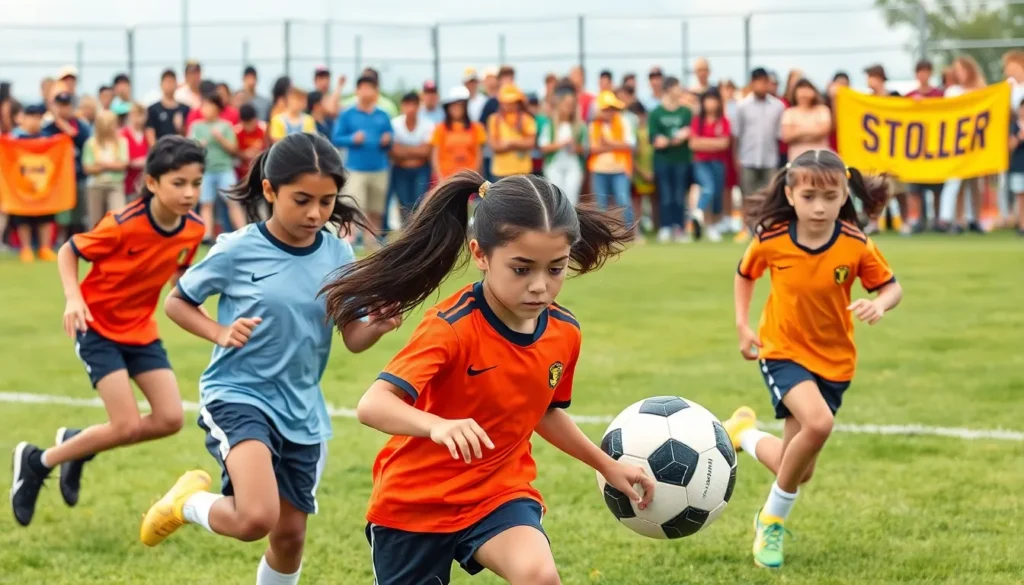
In the world of sports, boys and girls are breaking barriers and redefining what it means to compete. From the thrill of a last-minute goal to the camaraderie of a team huddle, youth sports are more than just games; they’re a rite of passage. But let’s face it—who doesn’t love a good rivalry? Whether it’s the boys’ soccer team trying to outscore the girls’ volleyball squad or the girls’ basketball team stealing the spotlight, the competition is fierce and the laughter is contagious.
Overview of Boys and Girls Sports
Youth sports attract both boys and girls, providing platforms for physical activity and personal growth. Participants engage in diverse sports such as basketball, soccer, baseball, and gymnastics. Each sport offers unique opportunities for skill development and teamwork.
Competition remains a driving force among young athletes. Boys and girls exhibit competitive spirits through practices and games, fostering friendships that lead to lasting bonds. Rivalries often develop, adding excitement to local leagues and tournaments.
Inclusivity strengthens the sports culture for both genders. Programs increasingly promote equal access, encouraging participation regardless of gender. Organizations are implementing policies aimed at creating equitable opportunities in sports.
Coaches play crucial roles in mentoring young athletes. They emphasize skill development, sportsmanship, and the importance of teamwork. Training sessions focus on building confidence while teaching fundamental techniques.
Parents and communities often support youth sports through volunteering and attendance at games. This backing helps sustain interest and enthusiasm for sports among children. Increased visibility of girls in competitive sports encourages more female participation, promoting gender equality in athletics.
Statistics from the National Federation of State High School Associations reveal an upward trend in girls participating in high school sports, with numbers reaching over 3.4 million in recent years. This growth illustrates the shifting dynamics and the rising prominence of female athletes in traditionally male-dominated fields.
Historical Context of Gender in Sports
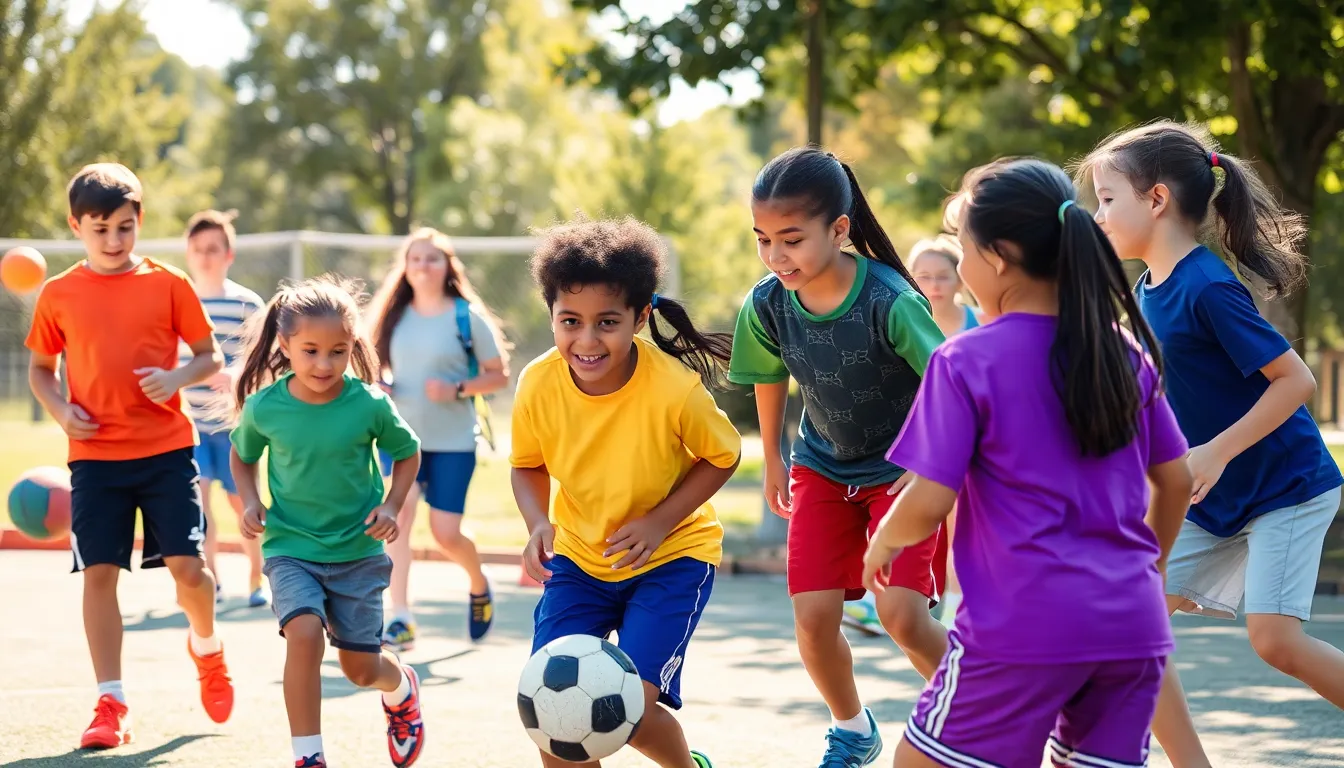
The historical context of gender in sports reveals significant shifts over time. Early participation in sports often reflected societal norms, restricting girls and favoring boys in competitive activities.
Early Development and Participation
Initially, girls faced numerous barriers to sports participation. Many sports were considered inappropriate for females. Opportunities began to expand gradually during the late 19th and early 20th centuries. Participation started to rise as women’s rights movements gained traction. By the 1970s, Title IX legislation promoted equality in education and athletics, leading to a substantial increase in female athletes. Statistically, girls in high school sports surpassed 3.4 million by 2023, showcasing the widening acceptance and inclusion of girls in sports activities.
Landmark Moments in Gender Equality
Over the decades, several landmark moments advanced gender equality in sports. The passage of Title IX in 1972 serves as a pivotal point, prohibiting gender discrimination in education. Women’s participation in the Olympic Games also marked significant progress. In 1984, the Los Angeles Olympics featured a record number of female athletes. Additionally, media coverage began to highlight female athletes, raising their visibility and inspiring future generations. Each of these moments contributes significantly to the narrative of gender equality, shaping a diverse sporting landscape today.
Current Trends in Boys and Girls Sports
Youth sports continue to evolve, showcasing shifts in popularity and trends among boys and girls. Understanding these trends provides insights into how young athletes engage with various sports.
Popular Sports Among Boys
Basketball remains a dominant choice among boys, fostering explosive athleticism and teamwork. Football appeals to many, providing excitement and a sense of camaraderie on the field. Soccer has also gained traction, thanks to its global popularity and growing youth programs. Baseball, with its traditions, keeps many young athletes active during the spring and summer months. Wrestling offers opportunities for individual and team growth, enhancing discipline and strength. Coaches emphasize technique and sportsmanship across all these sports, helping boys develop both skills and character.
Popular Sports Among Girls
Soccer leads in popularity for girls, reflecting its widespread appeal and increasing participation. Basketball follows closely, encouraging teamwork and athletic development. Gymnastics also attracts many young females, showcasing grace and physical ability. Softball allows girls to engage in competitive play while fostering community spirit. Track and field offers variety, allowing athletes to explore individual and team events. Each sport contributes significantly to girls’ confidence and overall development, illustrating the powerful impact of athletic engagement.
Challenges in Boys and Girls Sports
Challenges persist in boys and girls sports, affecting participation and growth in athletic environments. The dynamics involve societal attitudes, stereotypes, and disparities in resources.
Societal Attitudes and Stereotypes
Societal attitudes deeply influence participation rates among young athletes. Many stereotypes suggest that certain sports are more suitable for boys, which can discourage girls from pursuing their interests. Gendered expectations can lead to the perception that girls should focus on less competitive activities. This stigma creates barriers for girls wanting to engage in sports like football or wrestling. Male athletes often receive more visibility and encouragement from coaches and peers, reinforcing the notion that boys excel in sports. Changing these attitudes requires a collective effort from communities, schools, and families to promote positive representations of female athletes.
Access and Resources Disparities
Access to resources remains a significant barrier in boys and girls sports. Schools often allocate more funding to boys sports, resulting in better facilities and training opportunities. Girls, on the other hand, may face inadequate support—reflecting broader gender disparities in sports. This lack of access limits participation rates and can undermine athletes’ development. Additionally, communities with fewer programs may struggle to offer equal opportunities across genders. Emphasizing equitable resource distribution is crucial to fostering an environment where both boys and girls can thrive in their chosen sports.
Benefits of Participation in Sports
Engaging in sports offers numerous advantages for both boys and girls, contributing to their overall development and well-being.
Physical Health Advantages
Participation in sports significantly enhances physical health. Regular activity boosts cardiovascular fitness, strengthens muscles, and improves flexibility. Engaging in sports helps maintain a healthy weight, combating obesity. Youth athletes often develop lifelong healthy habits, leading to long-term well-being. Stronger bones and improved coordination also result from athletic involvement. According to the Centers for Disease Control and Prevention, participating in organized sports can decrease the risk of chronic diseases in adolescence and adulthood.
Psychological and Social Benefits
Sports participation plays a crucial role in psychological development. Young athletes often experience increased self-esteem and confidence through skill mastery and achievement. Team environments foster social skills, encouraging communication and collaboration. Friendships formed during practices and competitions often strengthen personal bonds, creating a sense of belonging. Sports also equip children with resilience, as they learn to handle wins and losses constructively. Moreover, according to a study published in the Journal of Pediatric Psychology, regular involvement in sports correlates with lower levels of anxiety and depression among youth.
The landscape of youth sports continues to evolve as boys and girls redefine their roles and challenge traditional norms. With increased participation and visibility for female athletes, the push for gender equality in sports is stronger than ever.
Both boys and girls benefit immensely from engaging in athletics, gaining vital life skills and fostering friendships that last a lifetime. The importance of inclusivity and equitable access cannot be overstated.
As communities rally to support young athletes, the future of youth sports looks promising. With the right resources and encouragement, both boys and girls can thrive in their chosen sports, paving the way for a more balanced and inclusive athletic environment.