


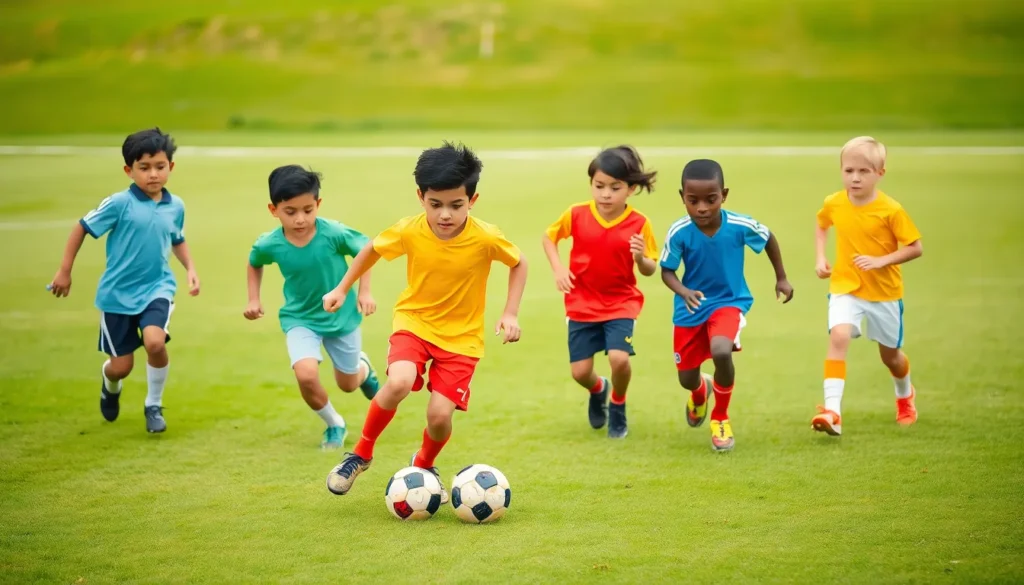
Boys’ sports programs are like the secret sauce of childhood—mixing teamwork, competition, and a dash of fun. These programs do more than just keep boys active; they build character, teach discipline, and create lifelong friendships. Who wouldn’t want to see their kid transform from a couch potato into a mini superstar, dribbling a basketball or scoring goals on the soccer field?
Overview of Boys’ Sports Programs
Boys’ sports programs encompass a wide range of activities tailored to enhance physical fitness and social skills. These activities include soccer, basketball, baseball, football, and track and field, among others. Each sport offers unique opportunities for boys to engage competitively while developing critical teamwork skills. Participation fosters camaraderie, promoting friendships across diverse backgrounds.
Character development ranks high among the benefits of involvement in sports. Through competition, boys learn valuable lessons in discipline, responsibility, and perseverance. Practicing these skills on the field translates to improved behavior in academic settings and everyday life. Coaches play a vital role, guiding athletes and instilling a strong work ethic.
Health benefits constitute another significant aspect of boys’ sports programs. Regular physical activity helps combat childhood obesity, promoting lifelong wellness. Studies show that engaged athletes demonstrate better cardiovascular health, increased strength, and enhanced flexibility. Mental health also receives a boost, as sports participation reduces stress and anxiety levels.
Programs aimed at young boys often include structured training schedules, teaching strategies for success. Each session emphasizes skill-building, encouraging athletes to strive for personal improvement. Competitions create additional motivation, pushing individuals to surpass their limits.
Boys’ sports programs provide a multifaceted approach to youth development. Focusing on physical health, personal growth, and social interaction, these programs create a supportive environment that nurtures well-rounded individuals.
Importance of Boys’ Sports Programs
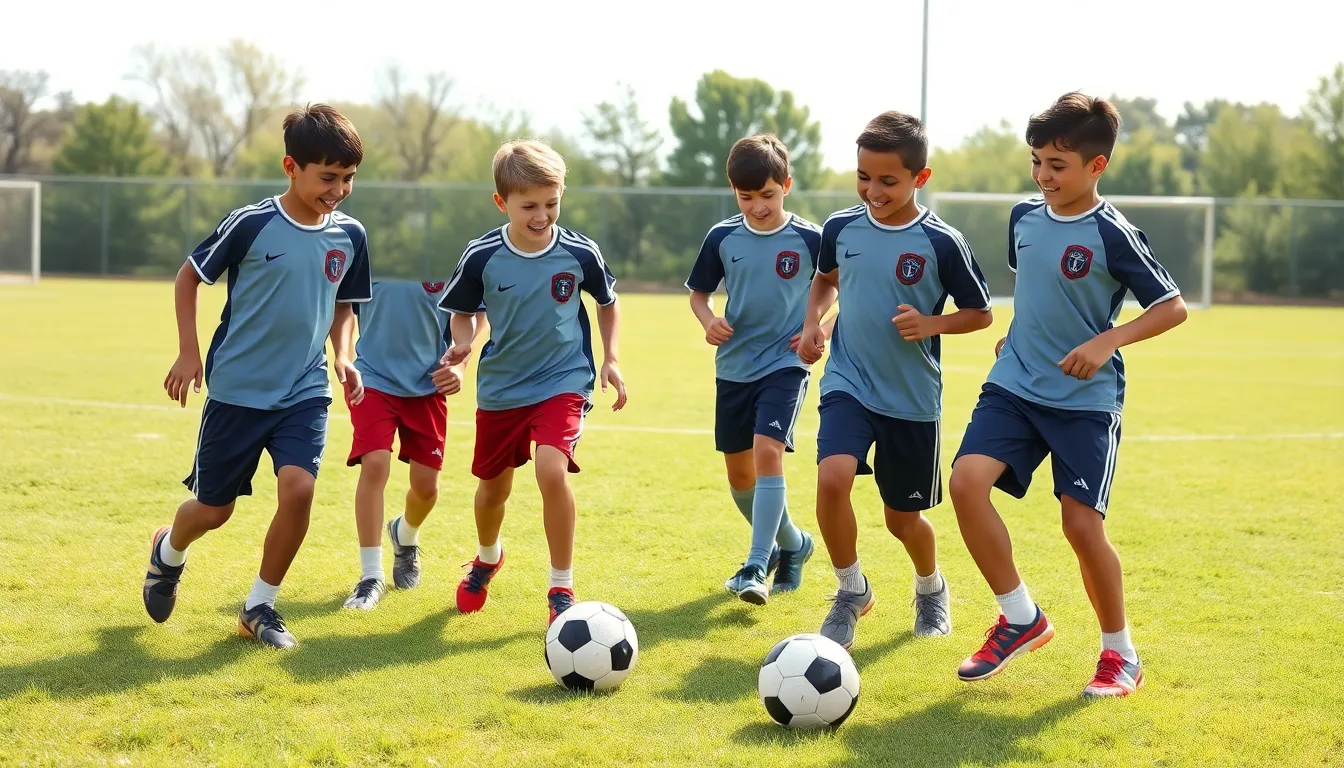
Boys’ sports programs play a vital role in youth development. These programs encourage physical activity, teamwork, and perseverance.
Physical Health Benefits
Regular participation in sports significantly boosts physical health. Engaging in activities such as soccer, basketball, and track improves cardiovascular fitness and strengthens muscles. According to the Centers for Disease Control and Prevention (CDC), only 20% of adolescents meet the guidelines for physical activity. Boys in sports programs are more likely to reach these targets, lowering the risk of childhood obesity. Increased fitness levels also translate to better endurance and flexibility, leading to healthier lifestyles. With structured practices and competitions, boys develop a routine that promotes lifelong wellness.
Mental Well-Being
Mental health benefits from sports participation are profound. Boys who engage in sports often display improved self-esteem and confidence. Group sports foster social connections, helping boys build friendships and support networks. According to the Youth Sports Safety Alliance, physical activity also reduces anxiety and depression rates among youth. Moreover, the discipline learned through training enhances focus and resilience, applicable in both academics and everyday challenges. Coaches serve as mentors, reinforcing positive mental attitudes and motivation, which play a crucial role in boy’s overall well-being.
Types of Boys’ Sports Programs
Boys’ sports programs encompass various types that contribute to their overall development. Two main categories include team sports and individual sports, each offering unique benefits.
Team Sports
Team sports encourage collaboration and communication among players. Popular options such as soccer, basketball, and football often focus on developing social skills like teamwork and leadership. Participation in these sports fosters a sense of belonging and camaraderie, helping boys build friendships. Coaches play a vital role in teaching strategies and promoting goal-oriented behavior. Competitive play within team environments cultivates resilience and encourages boys to handle success and failure gracefully. Such experiences are essential for character development.
Individual Sports
Individual sports empower boys to take personal responsibility for their performance. Disciplines like track and field, swimming, and wrestling emphasize self-motivation and goal setting. Athletes learn to track their progress, enhancing their focus and discipline. Training for these sports often leads to improved self-esteem as boys overcome personal challenges. While they compete individually, many still form supportive relationships with peers, creating a balanced social environment. Coaches facilitate personal growth by instilling a strong work ethic and promoting a positive mindset.
Challenges Facing Boys’ Sports Programs
Boys’ sports programs encounter several challenges that can impact their effectiveness and accessibility.
Funding and Resources
Limited funding frequently affects boys’ sports programs. Many schools struggle to allocate sufficient budgets, resulting in inadequate equipment and facilities. Insufficient resources hinder the development of skills, as athletes often lack access to proper training environments. Competitive teams cannot thrive without financial support for travel, uniforms, and coaching. Community partnerships can mitigate these obstacles, yet many programs remain underfunded. Moreover, schools may prioritize academic funding over sports, creating disparities in quality and opportunities. Local businesses and sponsors play a crucial role in bridging this gap by providing essential financial backing.
Gender Stereotypes
Gender stereotypes pose significant challenges to boys’ sports participation. Societal norms often dictate aggressive behaviors and hyper-competitiveness as acceptable traits for boys, pressuring them to conform. Many boys may abandon their interest in non-traditional sports due to fear of judgment. The stigma surrounding vulnerability further discourages participation in sports emphasizing teamwork or emotional expression. Boys might encounter subtle messaging that equates athletics with masculinity, leading to exclusion for those who don’t fit that mold. Consequently, it’s vital to promote inclusivity in boys’ sports programs, encouraging diverse participation regardless of societal expectations.
Best Practices for Effective Boys’ Sports Programs
Effective boys’ sports programs rely on strategic practices that enhance athletic development and personal growth. Prioritizing coaching quality and fostering inclusivity are essential for achieving these goals.
Coaching and Mentorship
Coaches serve as critical mentors in boys’ sports, guiding athletes in skill development and discipline. Coaches who model positive behaviors facilitate a supportive atmosphere, which fosters respect and accountability among players. Engaging coaching methods enhance motivation, leading to improved performance on and off the field. Effective coaches emphasize the importance of teamwork, setting realistic goals, and maintaining open communication with athletes. Equipping coaches with training resources increases their ability to positively impact young athletes, cultivating a culture of athletic excellence and personal empowerment.
Inclusivity and Diversity
Creating inclusive sports programs increases participation among boys from various backgrounds. Programs that welcome diverse athletes build stronger teams and improve social dynamics. Leaders must actively combat stereotypes, encouraging boys to explore all sports, including those perceived as non-traditional. Facilitating access to equipment and resources helps eliminate barriers to entry, expanding participation opportunities. Celebrating diversity within teams enhances camaraderie and fosters understanding among peers. Fostering environments where all boys feel valued influences overall program success, emphasizing that every athlete contributes uniquely to the team.
Boys’ sports programs play a vital role in shaping young athletes into well-rounded individuals. Through participation in various sports, boys gain essential life skills such as teamwork, discipline, and resilience. These programs not only promote physical health but also foster mental well-being and social connections.
The challenges facing these programs, such as funding and inclusivity, highlight the need for community support and innovative solutions. By prioritizing quality coaching and embracing diversity, boys’ sports programs can create an environment where every athlete feels valued.
Ultimately, investing in these programs benefits not just the athletes but also the broader community, paving the way for a healthier and more connected future.